10 U.S. National Parks That Are Surprisingly Perfect For A January Visit
Gently, picture cool air brushing your cheeks as sunlight slips across quiet trails and empty overlooks.
Honestly, you can feel the relief of wide open paths that summer crowds leave behind.
Surprisingly, January turns famous parks into calm classrooms where wildlife, rock, and sky do the teaching.
Ideally, this is your moment to explore with room to breathe and time to linger.
Disclaimer: This article is intended for general informational and travel inspiration purposes and reflects commonly shared observations about seasonal conditions at U.S. national parks.
Weather, wildlife activity, and accessibility may vary by year and location, and visitors should consult official National Park Service resources for current conditions and safety guidance before planning a trip.
1. Everglades National Park, Florida
If the dry season is calling, the Anhinga Trail answers with mirrors of still water and crisp birdsong.
The map unfolds boardwalks where you can scan for herons, anhingas, and alligators lounging in winter sun.
A friendly nod greets you from rangers who know where manatees linger near Flamingo.
Because mosquitoes drop in January, walks feel easy and focused.
Morning light sharpens the sawgrass horizon, and every ripple hints at hidden life.
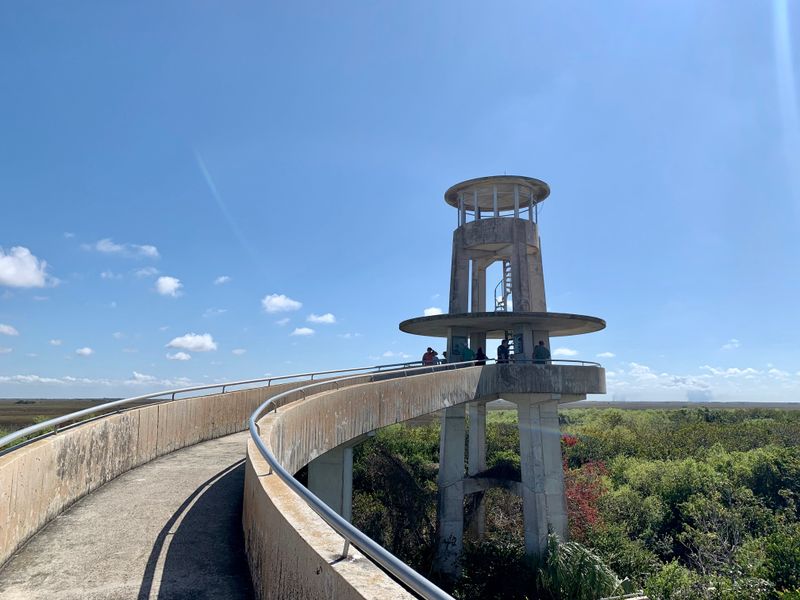
Travel patience pays off on the 15 mile Shark Valley loop, where bikes glide past basking reptiles and the observation tower frames a sky wide as your hopes.
Everglades National Park is accessed through the Ernest F. Coe Visitor Center at 40001 State Road 9336, Homestead, Florida 33034.
2. Death Valley National Park, California
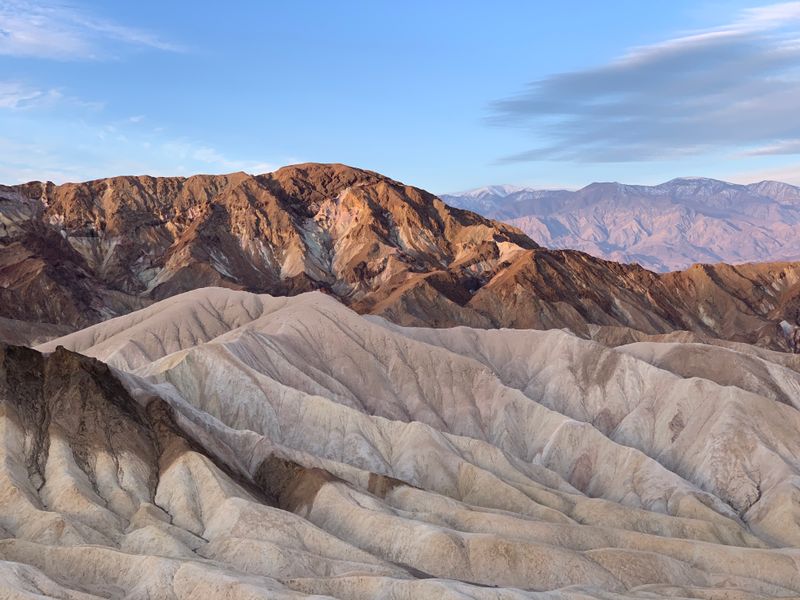
However cool the name sounds, January air is kinder here than you expect.
The journey itself feels effortless on Badwater Basin, where salt polygons crunch softly and horizon lines stretch toward snow brushed Telescope Peak.
Later you drift to Zabriskie Point, watching butterscotch ridges glow.
Because mild temperatures rule the day, Golden Canyon invites unhurried steps and careful photos.
Quietly, Furnace Creek becomes a practical base with fuel, water, and updates on road conditions.
A deep breath steadies your climb at Dante View, and the valley opens like a measured whisper that reminds you comfort and wonder can travel together.
Death Valley National Park’s primary visitor hub is the Furnace Creek Visitor Center at Highway 190, Furnace Creek, California 92328.
3. Joshua Tree National Park, California
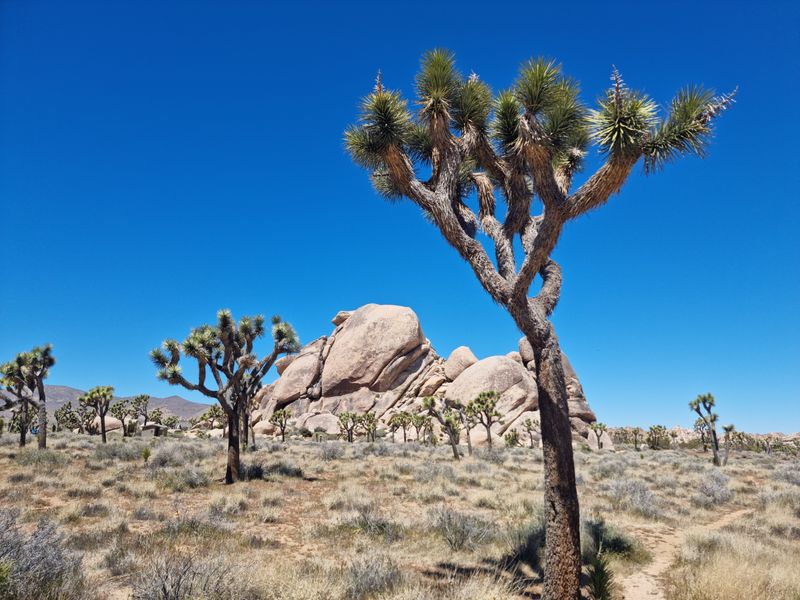
Though desert summers press hard, January frees the trails for simple joy.
Your comfortable shoes find grip on Hidden Valley’s granite, and shared smiles pop up where climbers test warm rock under clear skies.
Really, the quiet makes bird calls sound brighter.
Suddenly night arrives with crisp stars that feel close enough to pocket.
Specifically, the Skull Rock area becomes a playful maze for families, its features easy to explore by daylight.
Fortunately, campgrounds are calmer now, and rangers suggest safe routes between entrances so you can connect scenes without rushing the experience or the memories.
Joshua Tree National Park’s main visitor center is located at 6554 Park Boulevard, Joshua Tree, California 92252.
4. Big Bend National Park, Texas
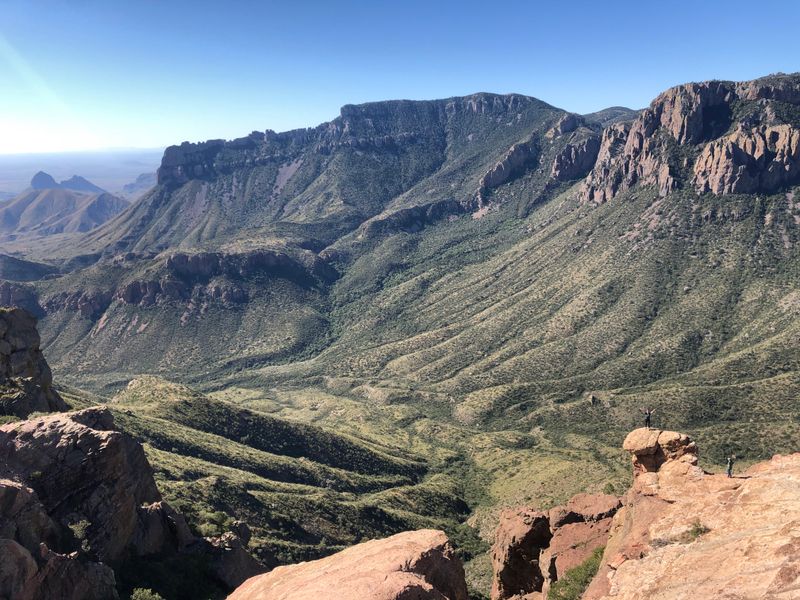
Because winter softens the desert, Big Bend opens like a long exhale.
That winding path up the Lost Mine Trail reveals the Chisos with clean lines and generous shade.
Wanderlust nudges you toward Santa Elena Canyon, where the Rio Grande hums against towering walls and time slides slower.
Precisely marked distances help planners pace the day across wide spaces.
Later, Panther Junction offers updates on trail conditions and river levels for safe choices.
Traditionally, sunsets paint the Sierra del Carmen rose and gold, and you stand hushed, feeling how the park gathers your thoughts and gives them back a little clearer.
Big Bend National Park is administered through Panther Junction Visitor Center, located on Panther Junction Road, Big Bend National Park, Texas 79834.
5. Saguaro National Park, Arizona
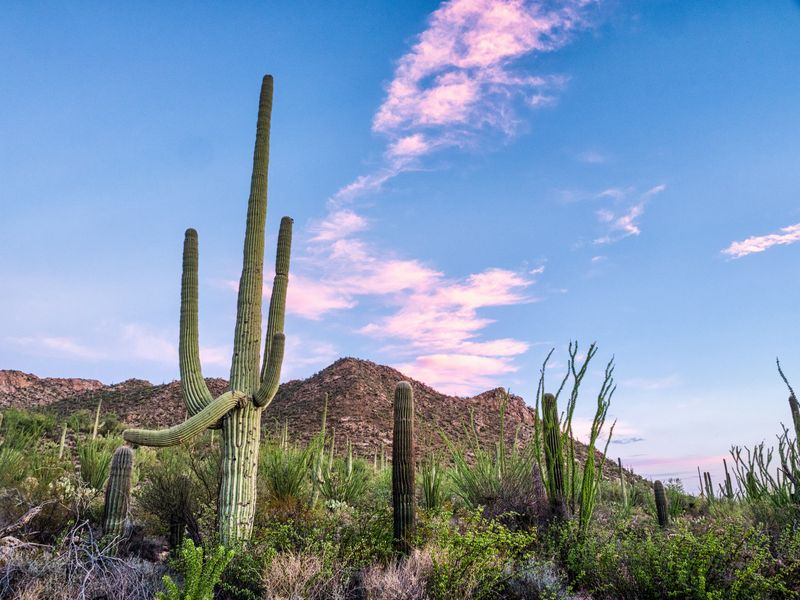
Maybe all you need is a skyline of arms lifted to blue.
Morning light traces spines on towering saguaros, and the Cactus Forest Loop delivers gentle curves for bikes and cars.
A quiet bench waits near Javelina Rocks, letting you listen to breeze rustle cholla and creosote.
Instead of heat, cool air keeps the pace friendly for families.
Curiously, snow sometimes dusts the Rincons, framing the desert in surprising contrast.
The perfect souvenir becomes a new respect for slow landscapes, where careful steps and steady water breaks turn simple miles into small victories that feel like lasting lessons.
Saguaro National Park’s Rincon Mountain District Visitor Center is located at 3693 South Old Spanish Trail, Tucson, Arizona 85730.
6. Zion National Park, Utah
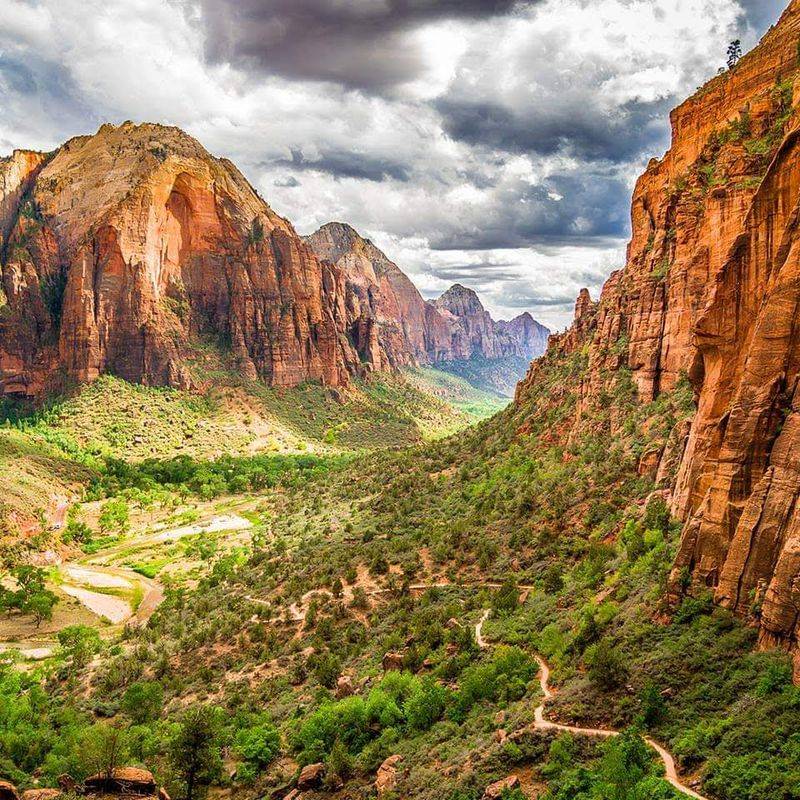
Where red walls rise like cathedrals, winter hush follows.
The map points you to the Riverside Walk, where ice crystals lace the edges and the Virgin River murmurs softly.
Thankfully, shuttle constraints ease in January, so driving access may open and viewpoints feel intimate.
Often the canyon seems newly discovered when footsteps are few.
Cobblestone streets do not exist here, yet Springdale’s sidewalks feel just as welcoming and easy to navigate.
Ultimately, safety remains simple with traction aids for shaded paths, leaving your mind clear to enjoy cliff light that flickers like a candle kept for careful watching.
Zion National Park Visitor Center is located at 1 Zion Park Boulevard, Springdale, Utah 84767.
7. Bryce Canyon National Park, Utah
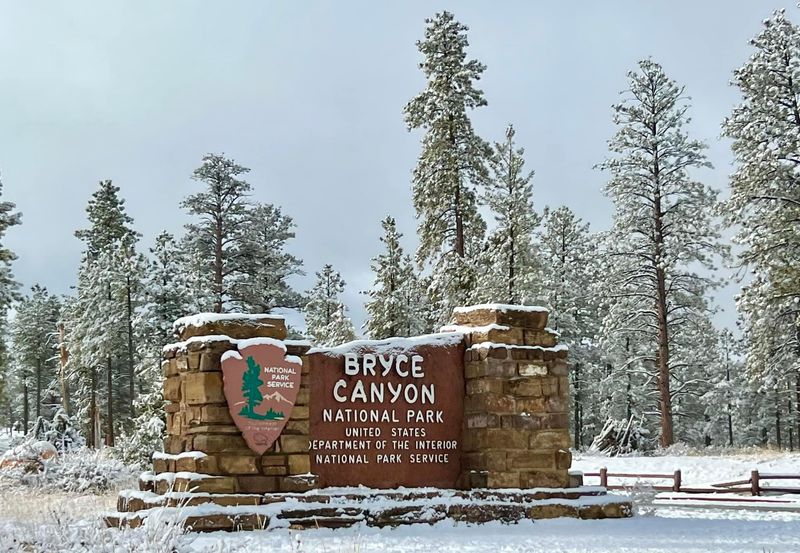
Actually, snow turns Bryce into a painter’s study in contrast. Morning light warms frost dusted hoodoos while trails crunch with honest clarity.
Travel patience means microspikes and layers, letting you step confidently along the rim where cold air tingles and views ring like bells.
Surprisingly, families find short routes such as the Navajo Loop and Queen Garden manageable with care.
Distant bells are only imagined, yet the amphitheater echoes with a hush that feels ceremonial.
Ultimately, hot drinks back at the lodge mirror the glow on the horizon, and gratitude lingers longer than footprints on the powder.
Bryce Canyon National Park Visitor Center is located along Highway 63 in Bryce Canyon, Utah 84764.
8. Guadalupe Mountains National Park, Texas
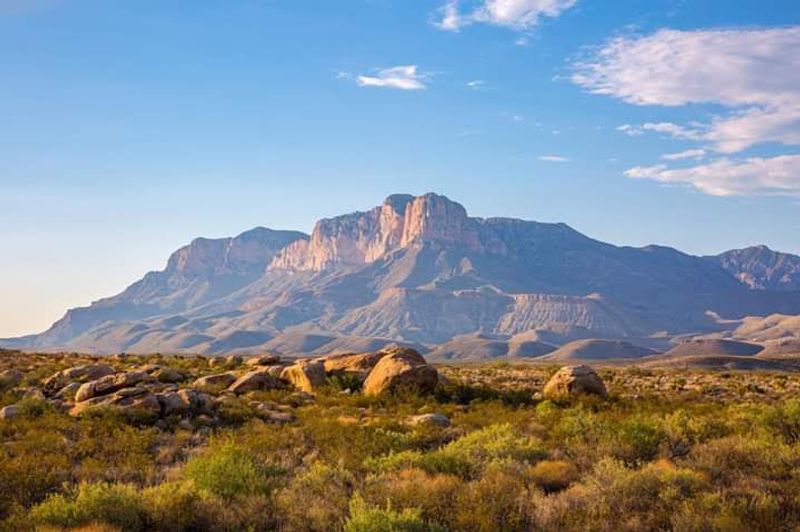
Instead of summer heat, January offers steady clarity on the Guadalupe Peak Trail.
A helpful stranger might mention the switchbacks before Pine Springs, and you will thank them later when the view spreads clean to El Capitan.
Precisely placed signs guide pace and water planning.
Rarely do vistas feel so sharp that miles look like folded paper.
Shared smiles appear at the summit where wind speaks in short sentences and confidence answers back.
Ultimately, the descent becomes a measured rhythm, and every step carries proof that careful preparation turns big goals into memories that feel welcoming to revisit.
Guadalupe Mountains National Park’s Pine Springs Visitor Center is located at 400 Pine Canyon Drive, Salt Flat, Texas 79847.
9. Great Smoky Mountains National Park, Tennessee And North Carolina
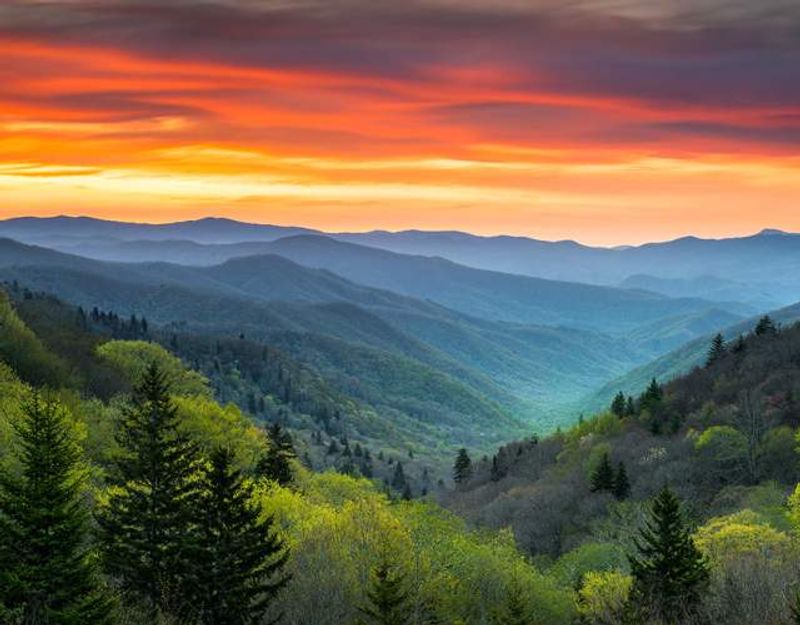
Where fog usually lingers, January often lifts the curtain.
The local rhythm slows to gentle walks at Oconaluftee, where elk graze and wooden fences smell of rain washed wood.
Fortunately, Newfound Gap delivers a quick overlook reward, and roads stay well communicated by park updates.
Honestly, families appreciate short loops near Sugarlands that feel safe and satisfying.
A hidden courtyard does not exist, yet quieter picnic areas offer the same tucked away comfort.
Ultimately, this park reminds you that dawn calm belongs to everyone, a universal feeling that settles gently as ridgelines fade like kind thoughts.
Great Smoky Mountains National Park’s Sugarlands Visitor Center is located at 1420 Fighting Creek Gap Road, Gatlinburg, Tennessee 37738.
10. Badlands National Park, South Dakota
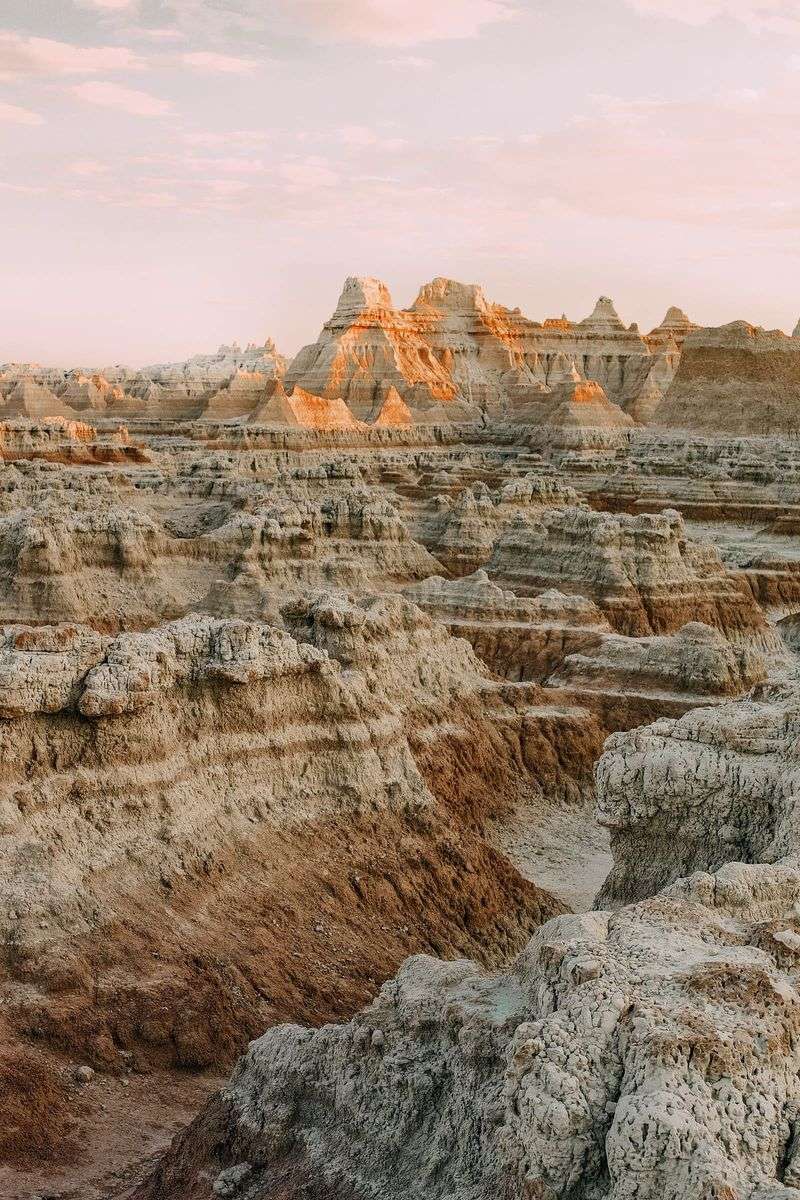
Specifically, winter etches the Badlands into fine grain sculpture. Lingering clouds stretch shadows across buttes, and silence travels quickly over frosted grass.
Travel patience keeps you warm and safe on overlooks where the wind edits every sound into a thoughtful pause.
Because wildlife stays active, you might spot bighorn sheep stepping like careful dancers on ridges.
Your first step from the car feels like entering a natural gallery where time curated the exhibits.
Ultimately, the Loop Road becomes an easy thread to follow, stitching pullouts together so even newcomers feel guided, calm, and quietly inspired to keep exploring.
Badlands National Park Visitor Center is located at 25216 Ben Reifel Road, Interior, South Dakota 57750.