8 Flaws Fans Still Debate In Harry Potter And The Prisoner Of Azkaban
Quill scratching, notes flying, and oh, something is not adding up. Time-Turner behaving like it wrote its own rules and then politely refused to explain them to anyone else.
Scenes rush by, logic ducks out the back door, and suddenly it feels less like magic and more like a very confident guess.
Interesting, very interesting – almost like this story hoped nobody would pause and ask questions.
1. The Marauders Backstory Is Too Underexplained
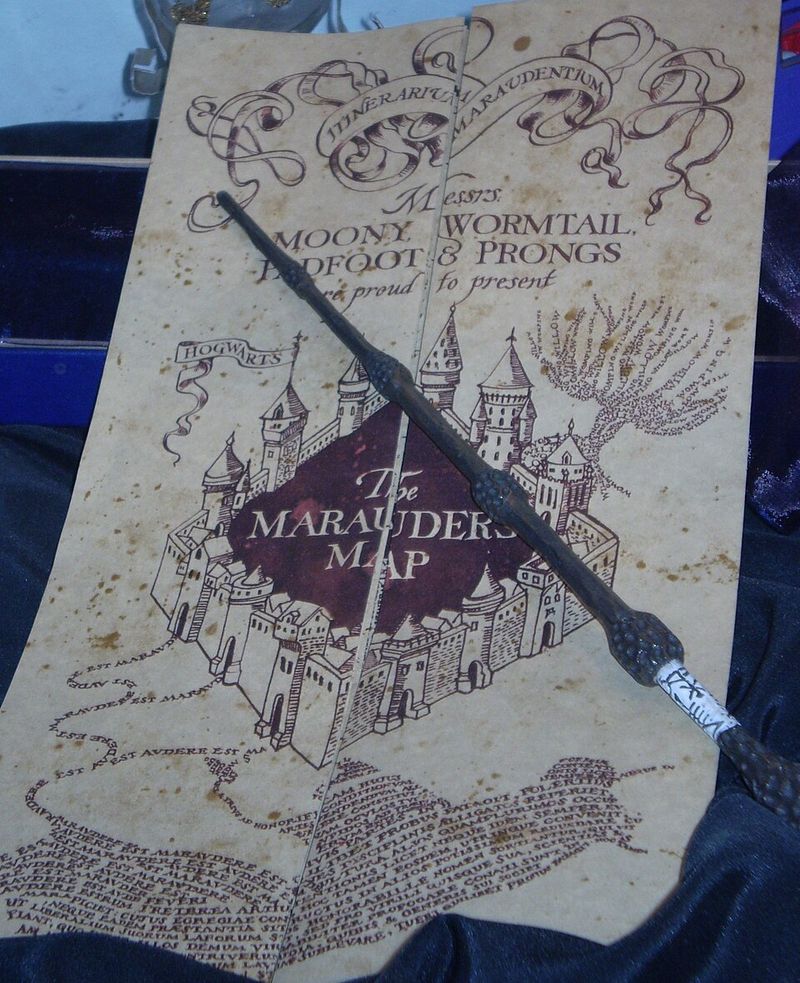
Nicknames drop into the story all at once, leaving movie-only viewers scrambling to figure out why they matter.
Moony, Wormtail, Padfoot, and Prongs carry deep emotional weight in the original narrative, linking James Potter’s past directly to Sirius and Remus.
Official Harry Potter material treats that shared history as a major piece of the story rather than a passing detail. Confusion lingers by the end, almost like being handed the final chapter of a mystery novel without the rest of the book.
2. Time-Turner Solves Things Too Quickly
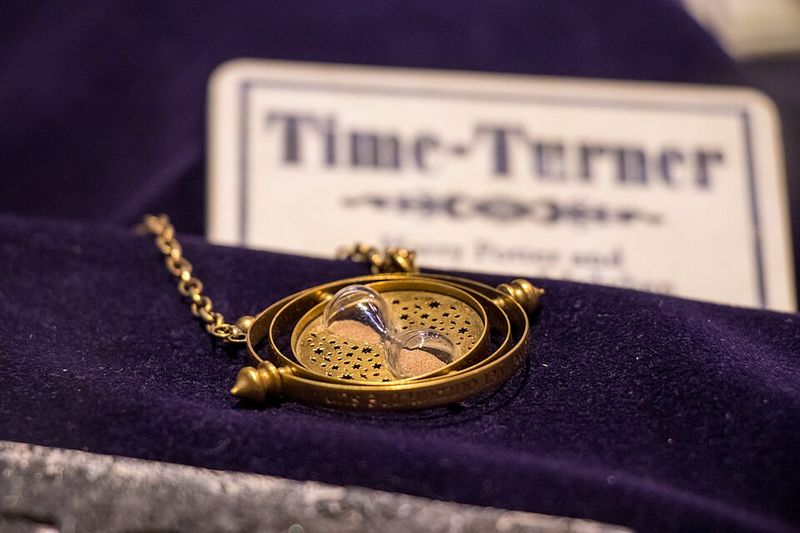
Out comes a tiny golden hourglass, and suddenly the whole third act bends around it in a way that feels genuinely thrilling the first time through. Trouble starts on a rewatch, once fans begin wondering why something that powerful only gets used for a couple of rescued animals.
Convenient more than consistent, the rules never quite hold together, and that gap has kept forum threads alive for years.
Ongoing debate comes from the tension between strict rules and a very useful ending device.
3. Marauder’s Map Raises Pettigrew Questions
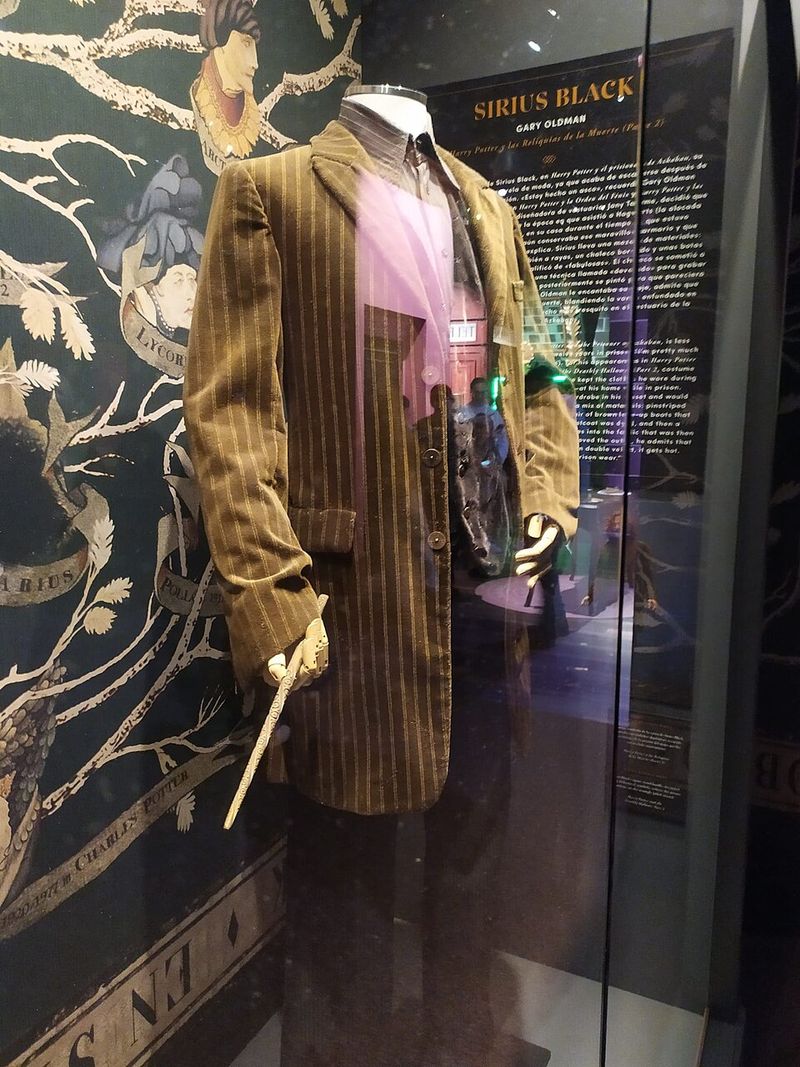
The Marauder’s Map is meant to track people inside Hogwarts with unusual precision, which is why Peter Pettigrew’s hidden presence continues to raise questions for fans.
So how did Peter Pettigrew spend twelve years as Scabbers, sleeping in the Weasley boys’ beds, without a single adult ever glancing at that map and noticing a grown man’s name curled up next to Ron? That question has become the movie’s most repeated “wait a second” moment at slumber parties and rewatch nights everywhere.
It is the kind of plot hole that feels bigger every single time someone brings it up.
4. Opening Lumos Breaks Underage Magic Rules
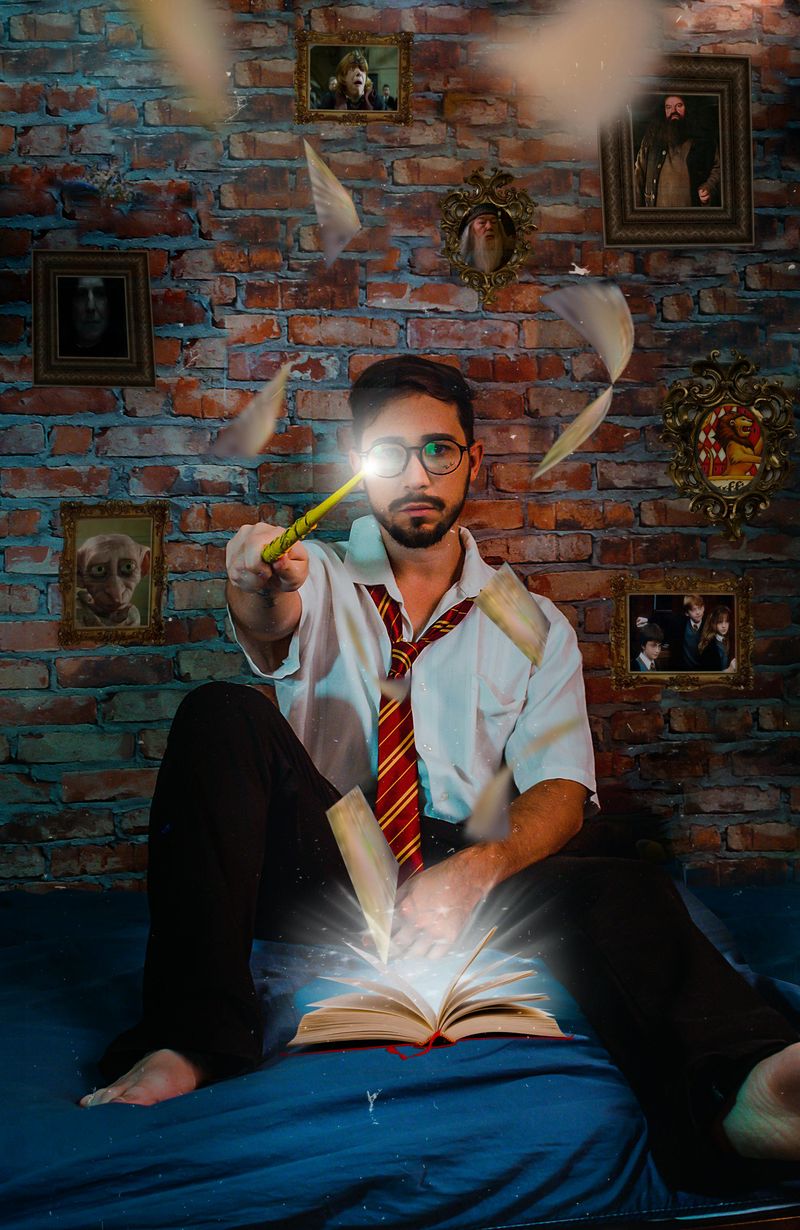
Opening minutes already show Harry under the covers casting Lumos like it’s a flashlight app, with no worry and no consequences.
Whole premise of Prisoner of Azkaban leans on the danger of underage magic outside school, which makes that moment stick out immediately. Ministry of Magic spends the rest of the story enforcing those rules, so the cozy bedroom scene ends up clashing with everything that follows.
Small detail on paper, yet it sits right in the first scene and never quite fades once you notice it.
5. Firebolt Loses Its Payoff Compared To The Book
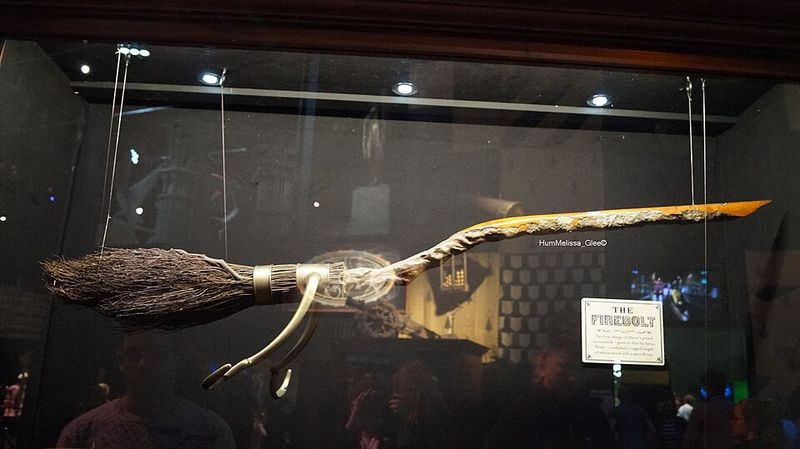
Early in the novel, the Firebolt shows up with a whole trail of suspicion and longing following right behind it.
Hermione reports it, McGonagall confiscates it, and Harry spends weeks aching for its return, which makes the reunion feel genuinely earned.
Nearly all of that tension disappears in the film, which saves the broom for the final shot and aims for triumph while landing closer to an afterthought. Fans who love that subplot still feel the loss of what could have been a much richer on-screen payoff.
6. Lupin’s Werewolf Design Is Still Divisive
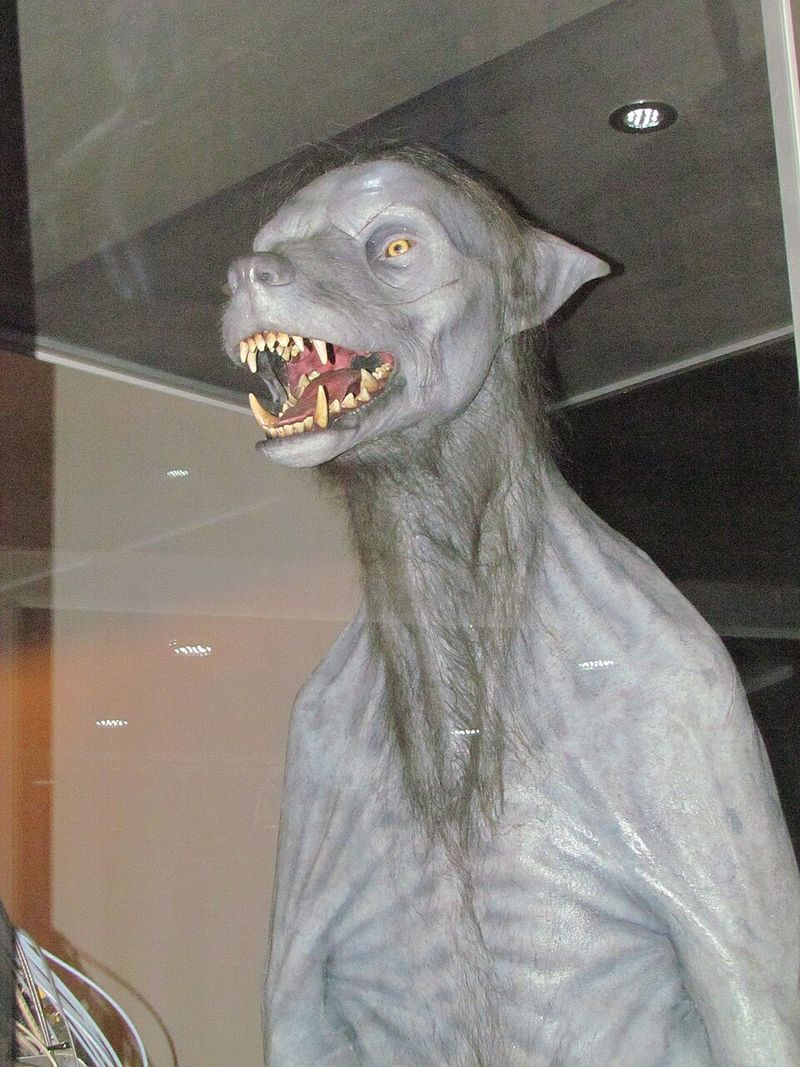
Alfonso Cuaron went bold with Lupin’s werewolf form, choosing something rawboned and almost hairless instead of the more traditional wolf-like version many readers expected.
Some fans genuinely love how unsettling and original the design feels, arguing it makes the transformation more tragic than terrifying. Others still scroll past fan art of a more wolf-like Lupin and quietly sigh, convinced the film missed the mental image most readers had carried for years.
Either way, the design sparks a fresh argument every time someone posts a comparison online.
7. Knight Bus Scene Feels Too Goofy

Jokes from the shrunken head, sliding beds, and exaggerated driving give the Knight Bus sequence a much broader comic tone.
Energy works on its own terms, yet the story at this point starts leaning into heavier emotions, which makes the sequence feel slightly out of step. Whimsy collides with creeping dread, and that tension explains why reactions still split right down the middle.
Balancing comedy with unease can work, but making it feel deliberate is where things get complicated.
8. Final Reveal Feels Rushed

Heaviest lifting in the film falls on the Shrieking Shack scene, where Sirius is innocent, Peter is the real traitor, Lupin knew James personally, and years of buried grief come crashing out at once. Packing that much story into one room is a staggering ask.
Instead, the film moves through the revelations so quickly that some of the emotional weight never gets the time it needs.
Note: This article discusses long-running fan debates around the film adaptation of Harry Potter and the Prisoner of Azkaban, with references to broader Wizarding World canon where relevant.
Several points reflect adaptation criticism and viewer interpretation rather than confirmed canon mistakes, especially where the film compresses or omits material that is explained more fully elsewhere.