18 Good Will Hunting Facts About The Cast, Script, And Legacy
Certain films slip into your life and quietly take up permanent space.
Good Will Hunting does that with an ease that still surprises people: a story about talent, insecurity, and the fear of being truly seen, wrapped in humor that feels lived-in rather than scripted.
Will’s stubbornness can feel familiar, like the part of you that keeps deflecting compliments or turning opportunities into jokes.
The friendships ring true, too, with loyalty that shows up in teasing one minute and protection the next.
Knowing how the film came together adds another layer to that connection, because its creation carries the same kind of nerve and vulnerability that the story celebrates.
1. A College Assignment That Changed Everything

Harvard students usually turn in their papers and never think about them again.
Matt Damon took a different path when he started writing what would become Good Will Hunting for his playwriting class.
His professor probably had no idea that this assignment would eventually win an Oscar. The early pages focused on a genius kid from South Boston who couldn’t get out of his own way.
Years later, those classroom pages turned into a Hollywood screenplay that made Damon and Affleck household names overnight.
2. One Scene Survived The Rewrite Marathon
When you’re rewriting a script with your best friend, almost everything gets changed.
However, Damon has confirmed that the first meeting between Will and Sean stayed remarkably close to his original draft.
That scene’s emotional honesty probably came from Damon writing it alone, pouring his heart onto the page.
The therapy session where Sean opens up about his late wife feels raw because it was born from genuine creative instinct.
3. Ben Affleck Became The Script Doctor
Affleck didn’t swoop in and “fix” a broken script like some Hollywood legend suggests.
Instead, Damon brought his pages from Harvard to Los Angeles, where his childhood friend helped transform a play into a movie.
The two spent months revising together, adding scenes and cutting others. Their friendship meant they could argue about dialogue without hurting feelings.
What emerged was a screenplay that studios fought over, showing how collaboration between best friends can create magic when both people respect the work.
4. From Actors To Hollywood Power Players
Before Good Will Hunting, Damon and Affleck were just two more guys trying to make it in Hollywood. The Oscar win for Best Original Screenplay completely changed how the industry saw them.
Studios suddenly realized these weren’t just pretty faces reading lines someone else wrote.
They were creators who could develop projects from scratch, which meant bigger paychecks and more control.
That gold statue turned “young actors” into “bankable creators” faster than you can say action, launching careers that are still going strong decades later.
5. Nine Oscar Nominations Proved The Doubters Wrong
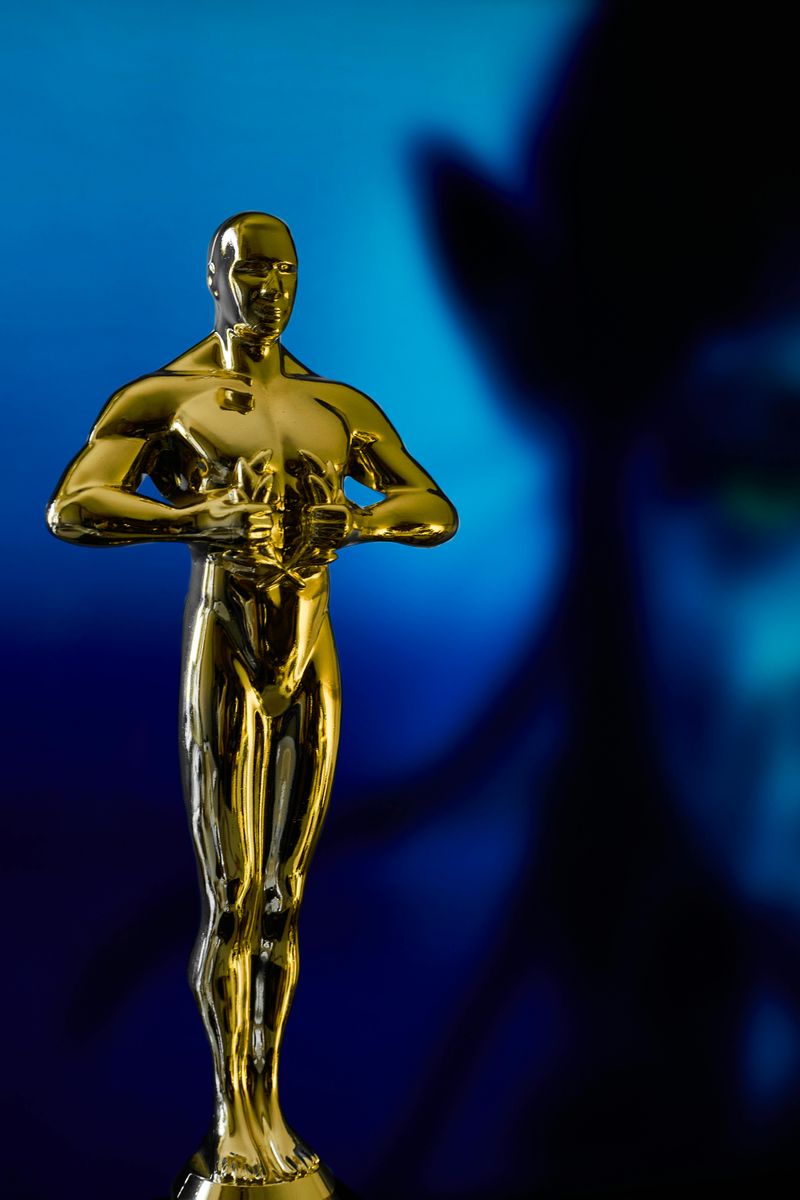
When the Academy Award nominations were announced, Good Will Hunting landed nine total nods.
Best Picture, Best Actor, Best Supporting Actor, and Best Original Screenplay were among the major categories.
Critics who thought a small Boston drama couldn’t compete with big-budget films had to eat their words.
The nominations proved that audiences and Academy voters both loved this story about friendship, therapy, and second chances.
Getting nine nominations for your first screenplay is like hitting a grand slam your first time at bat – it just doesn’t happen often.
6. Robin Williams Finally Got His Oscar
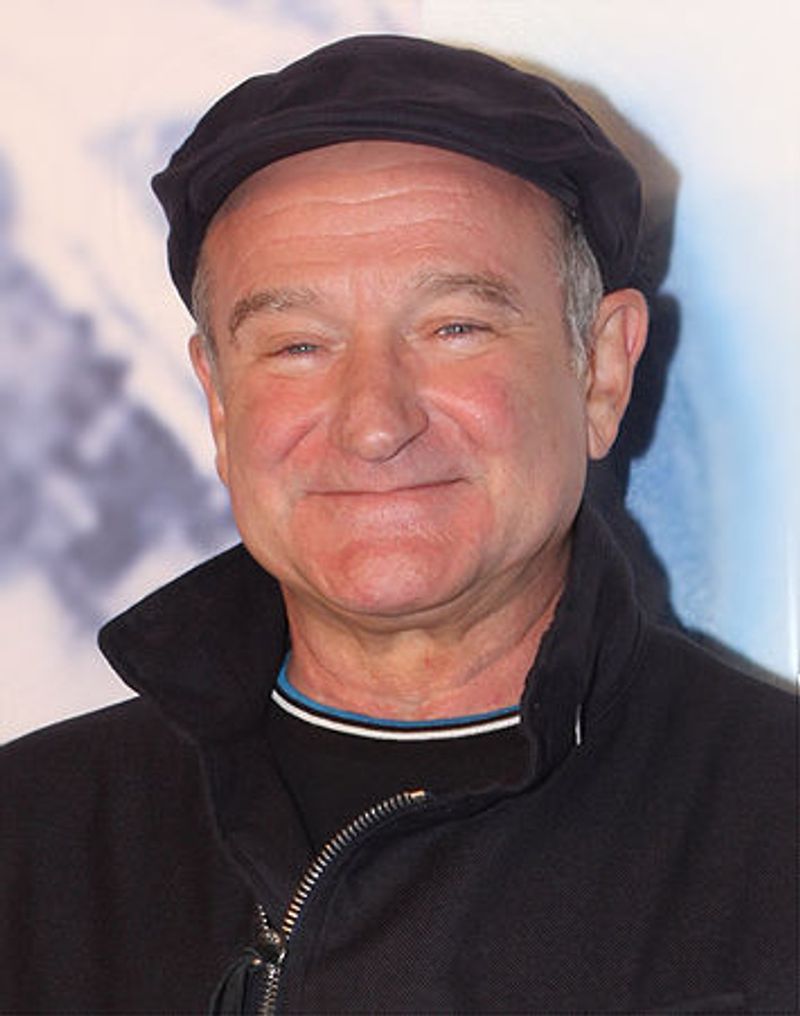
Despite decades of brilliant performances, Robin Williams had never won an Oscar for acting. His portrayal of Sean Maguire, the therapist with his own emotional scars, finally earned him the gold.
Williams brought warmth and wisdom to every scene, making you believe he really cared about helping Will. His acceptance speech was heartfelt and humble, thanking everyone who believed in the project.
7. Best Friends Win Together At The Oscars
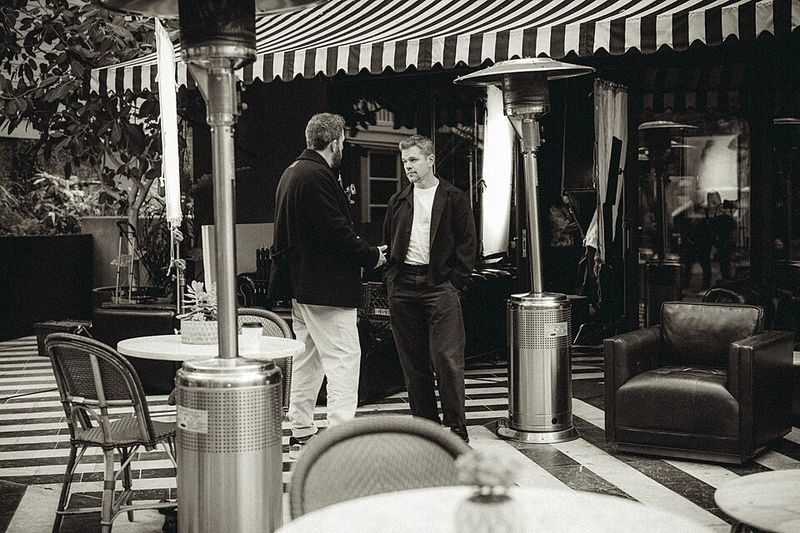
When your name gets called at the Oscars, you walk up alone most of the time. Damon and Affleck got to share that moment, winning Best Original Screenplay side by side.
Their genuine excitement and brotherly hug became one of the most memorable Oscar moments ever captured on camera.
You could see they couldn’t quite believe two kids from Cambridge, Massachusetts, were holding Academy Awards.
That shared victory proved that staying loyal to your friends through the tough years can lead to celebrating together when success finally arrives.
8. Gus Van Sant Kept It Real
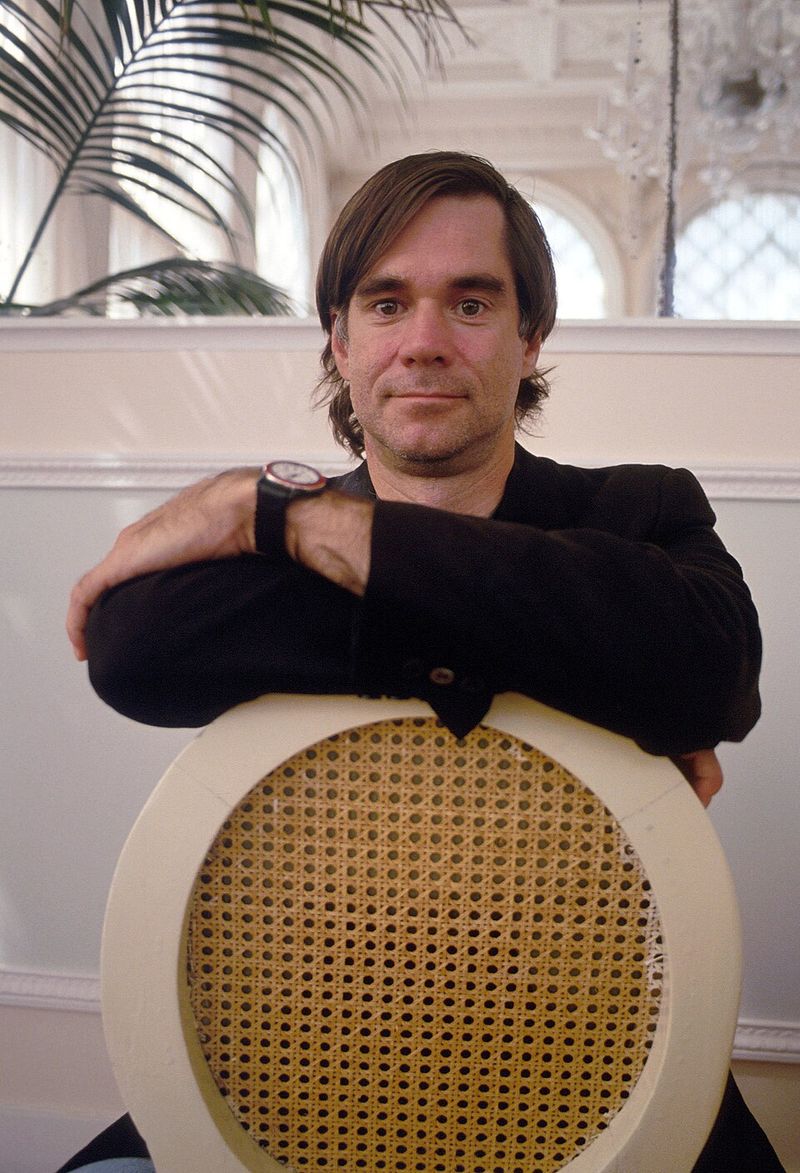
After Miramax bought the script, they needed a director who wouldn’t turn this intimate story into a flashy Hollywood spectacle.
Gus Van Sant, known for his grounded indie style, was the perfect choice.
His approach kept the focus on characters rather than special effects or dramatic camera tricks. Van Sant trusted the script and let the actors breathe life into their roles naturally.
Without his steady hand, Good Will Hunting might have become a glossy “genius fantasy” instead of the authentic, emotional journey that audiences fell in love with.
9. Minnie Driver Earned Her Oscar Nomination
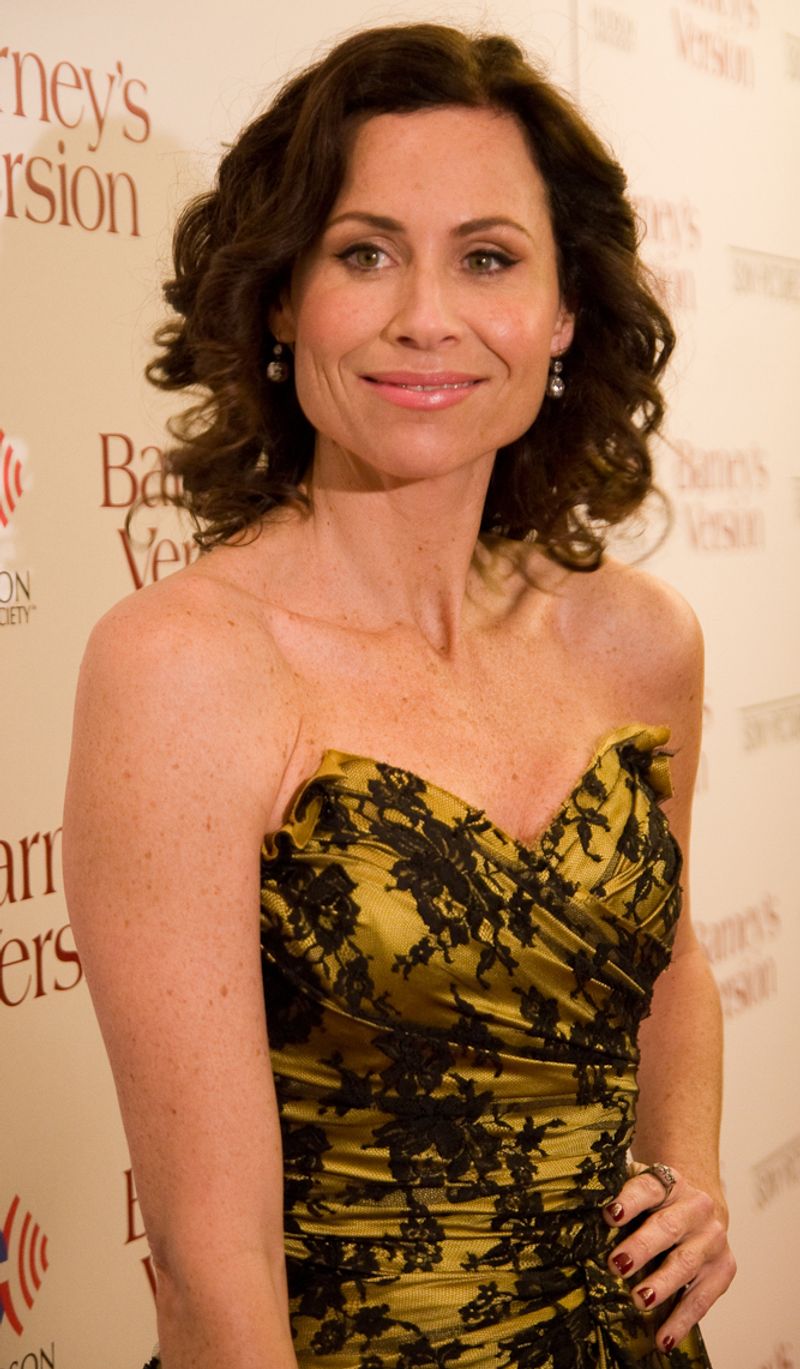
Skylar could have been a boring girlfriend character who just existed to support the hero. Minnie Driver made sure that didn’t happen, bringing warmth and strength to every scene.
Her performance earned an Oscar nomination for Best Supporting Actress, proving the Academy noticed her work.
Skylar challenges Will when he needs it and supports him when he’s vulnerable, creating a balanced relationship.
10. The South Boston Crew Feels Authentic
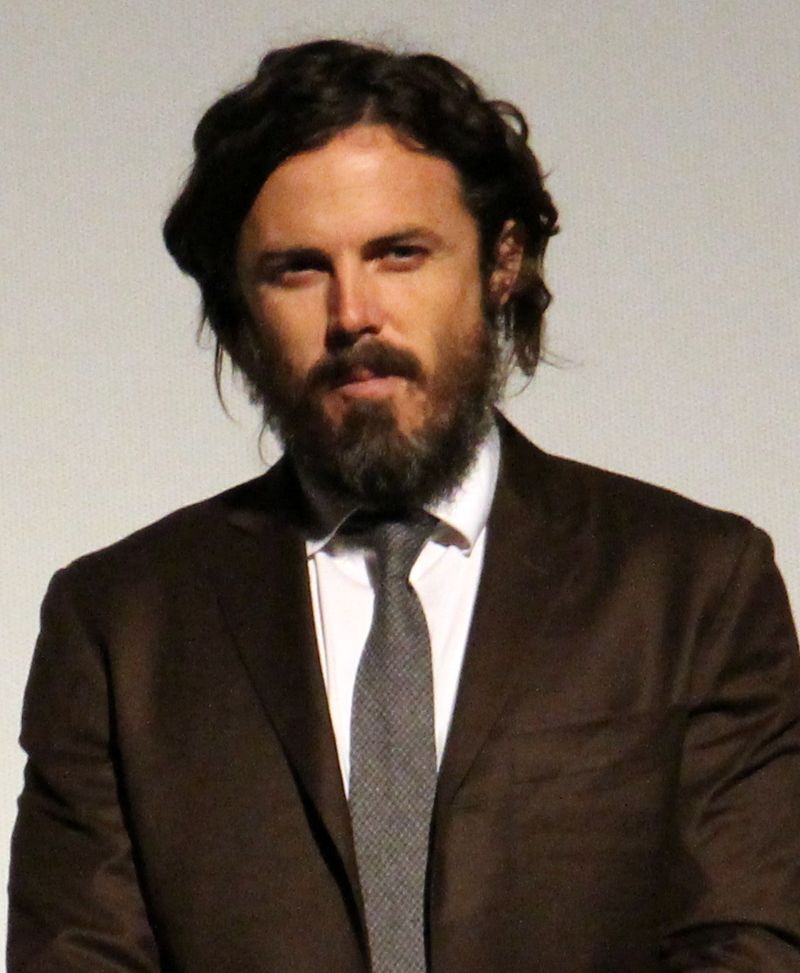
Will’s friend group needed to feel real, not like actors pretending to be Boston guys. Casey Affleck and Cole Hauser help create that authentic South Boston chemistry in their supporting roles.
Their scenes together have the comfortable rhythm of people who’ve known each other forever. The jokes, the insults, the loyalty – it all rings true because the casting was spot-on.
These supporting performances give the film texture and depth, showing Will’s world beyond therapy sessions and math problems.
11. Boston And Cambridge Are Characters Themselves
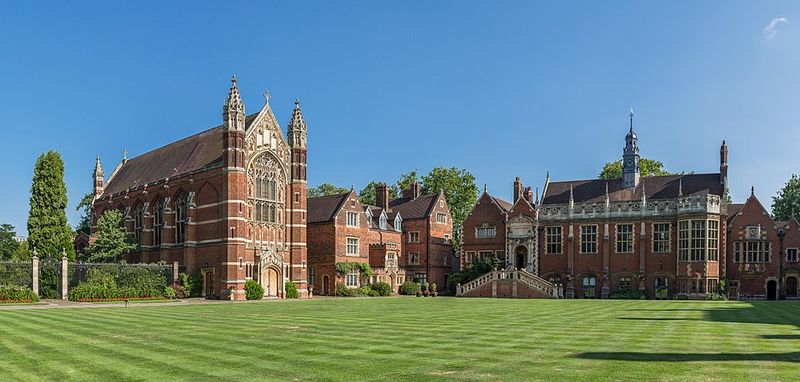
Location scouts didn’t just pick pretty backgrounds for Good Will Hunting – they chose places that matter to the story.
These locations represent the world of opportunity that Will could enter if he chose to leave his comfort zone.
Walking through Cambridge feels different than South Boston, and the movie uses that contrast brilliantly.
Film fans visiting Boston today still seek out these spots, taking photos where Will solved equations and walked with Skylar, proving the locations made a lasting impression.
12. Bunker Hill Community College Played Sean’s World

Sean Maguire’s teaching job needed a real location that fit his character – not fancy, but solid and serving the community.
Bunker Hill Community College provided the perfect setting for scenes tied to Sean’s professional life.
Using an actual community college instead of a movie set added authenticity that viewers might not consciously notice but definitely feel.
Sean isn’t teaching at Harvard; he’s working with regular students who need guidance.
This location choice reinforces Sean’s down-to-earth nature and his focus on helping people rather than chasing prestige, which makes him the ideal therapist for Will.
13. That Park Bench Became A Landmark
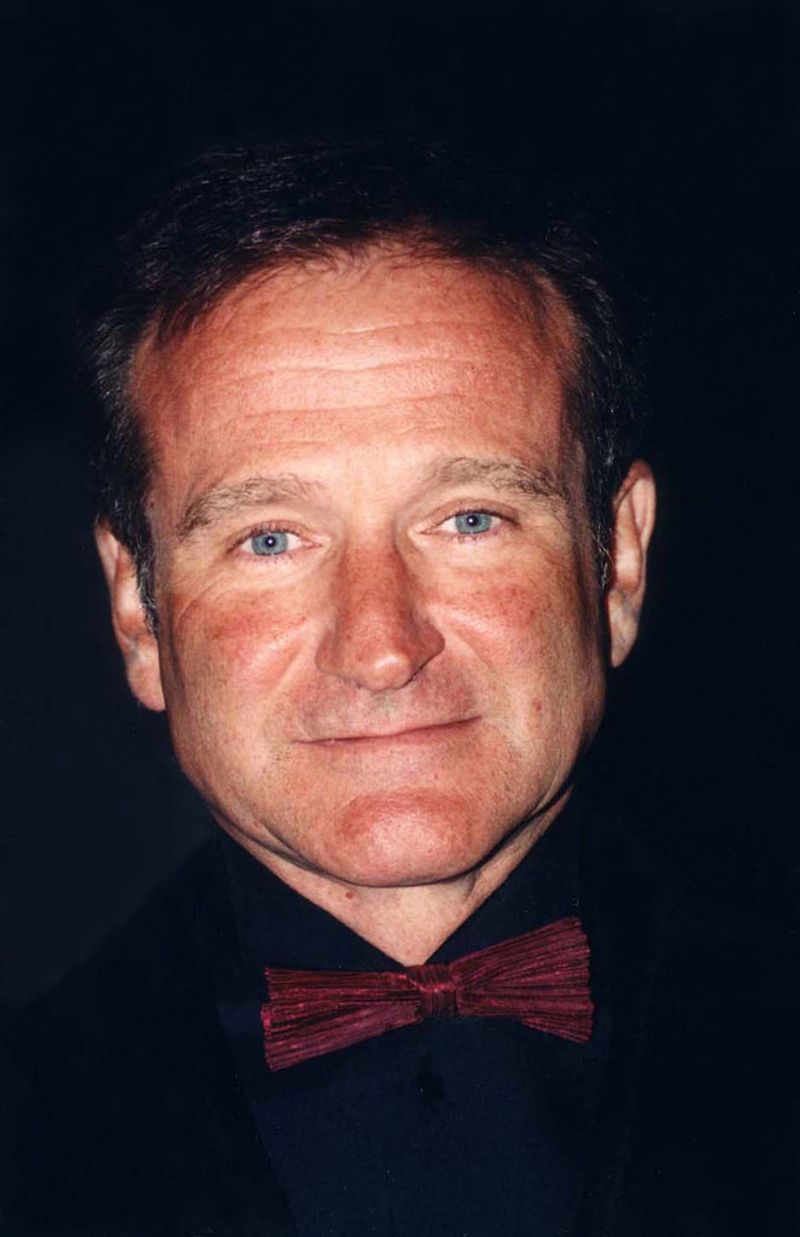
Sometimes a simple park bench becomes famous because of what happened there on film.
The bench where Will and Sean have their breakthrough conversation in Boston Public Garden turned into a pilgrimage site for fans.
After Robin Williams passed away in 2014, people left flowers and messages on that bench, turning it into an impromptu memorial.
You can still visit this bench today, and fans regularly do, sitting where movie magic happened and remembering performances that touched millions of hearts worldwide.
14. Elliott Smith’s Music Became Inseparable From The Film
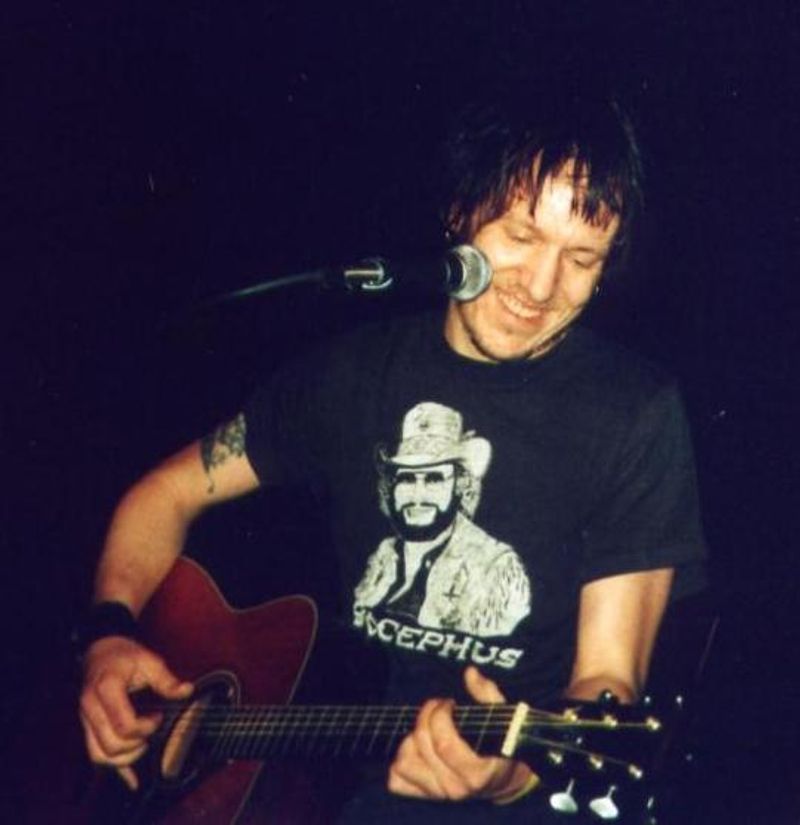
Choosing the right music can make a good movie great, and Elliott Smith’s songs gave Good Will Hunting its emotional fingerprint.
His Oscar-nominated song “Miss Misery” perfectly captured the film’s melancholy beauty.
Smith’s gentle, introspective style matched Will’s internal struggles better than any soundtrack could. The songs play during key moments, adding layers of feeling without overwhelming the scenes.
15. Danny Elfman Kept The Score Tender
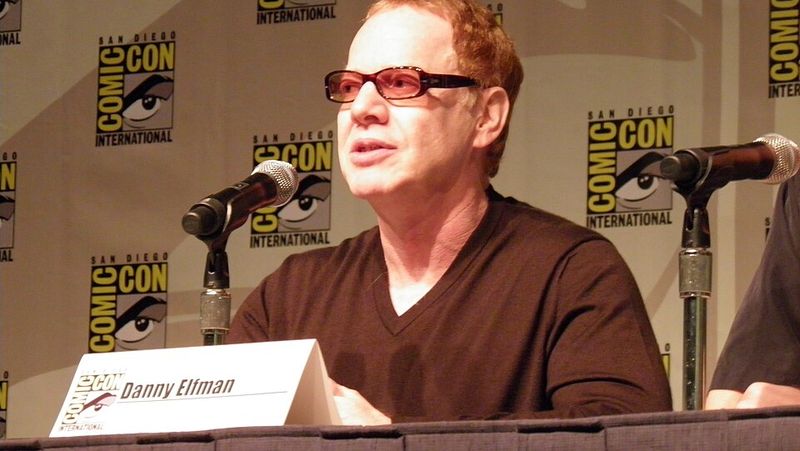
Danny Elfman usually composes big, dramatic scores for Tim Burton movies and superhero films.
For Good Will Hunting, he took a completely different approach, creating music that whispers instead of shouts.
His deliberately restrained score supports the emotional scenes without trying to tell you how to feel. The music is there when you need it, absent when silence works better.
16. Limited Release Strategy Built Buzz Slowly

Most big movies open everywhere at once, hoping for a massive first weekend. Good Will Hunting took the opposite approach, starting in just a few theaters and gradually expanding.
This limited release strategy let word-of-mouth build naturally as people told friends about this amazing movie they’d discovered.
Critics raved, audiences talked, and more theaters wanted to show it.
The slow burn worked brilliantly, creating sustained momentum instead of a quick flash that fades fast.
17. Modest Budget Became A Massive Success

Studios love movies that turn small budgets into big profits, and Good Will Hunting delivered exactly that.
With a production budget around ten million dollars, it earned approximately 225.9 million dollars worldwide.
That return on investment is the kind of success story that makes studio executives very happy. The film showed you don’t need explosions and special effects to fill theater seats.
Strong characters, sharp writing, and genuine emotion can compete with any blockbuster when done right.
18. The Boston In The Film Has Changed Dramatically

Watching Good Will Hunting now feels like time travel because the Boston it shows has transformed significantly.
A 2025 retrospective noted how several gritty locations later became upscale neighborhoods with fancy coffee shops.
Gentrification changed South Boston’s character, making the working-class world depicted in the film feel like historical documentation.
This transformation adds another layer to the movie’s legacy – it captured a specific time and place that no longer exists quite the same way, preserving 1990s Boston like a cinematic time capsule.