20 Movie Endings That Resonated With Audiences
You can leave the theater, but some endings refuse to leave you.
Great films do not just fade to black. One final glance or unanswered question can echo for years.
These unforgettable last scenes become part of our shared language, and once they settle in, they never quite let go.
Note: This article reflects an editorial perspective on why certain classic movie endings continue to resonate with viewers. Interpretations of themes, tone, and meaning are inherently subjective and can vary by audience, era, and personal experience.
1. Casablanca
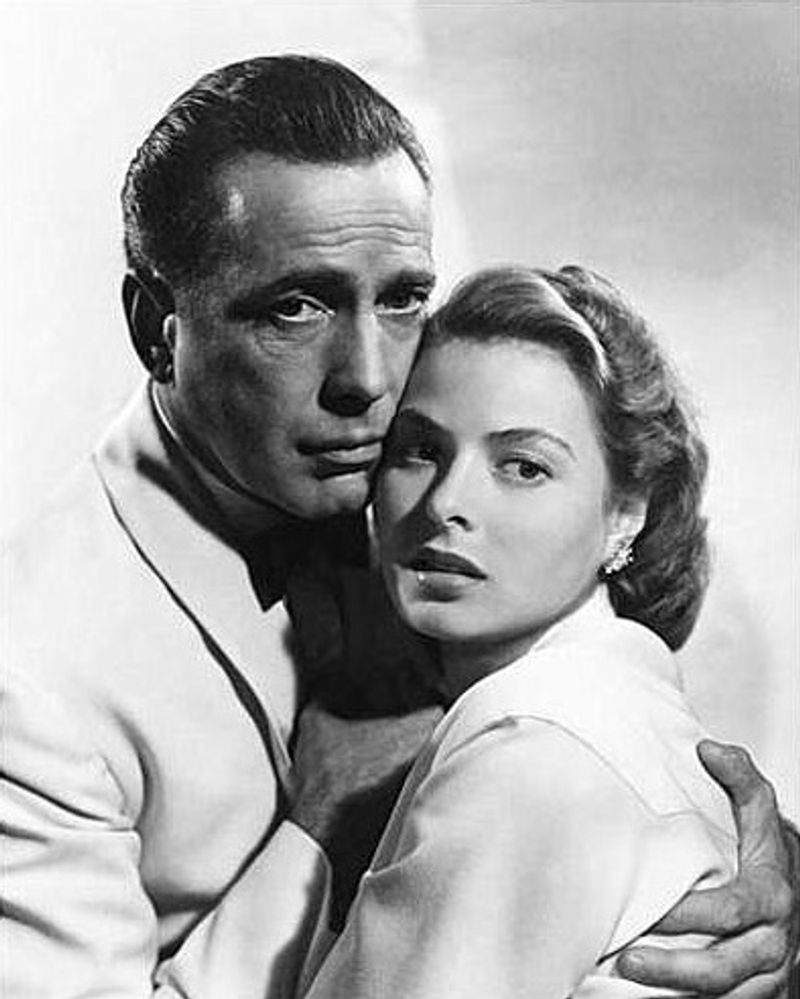
Rick waits beside the plane, aware that parting from Ilsa is permanent, yet choosing honor over desire. Personal cost weighs heavily, even as the fate of a wider world hangs in the balance.
“We’ll always have Paris” became shorthand for the moment when love yields to responsibility.
Engines roar and the aircraft rises, leaving behind a farewell that resonates more deeply than any conventional happy ending.
2. It’s A Wonderful Life
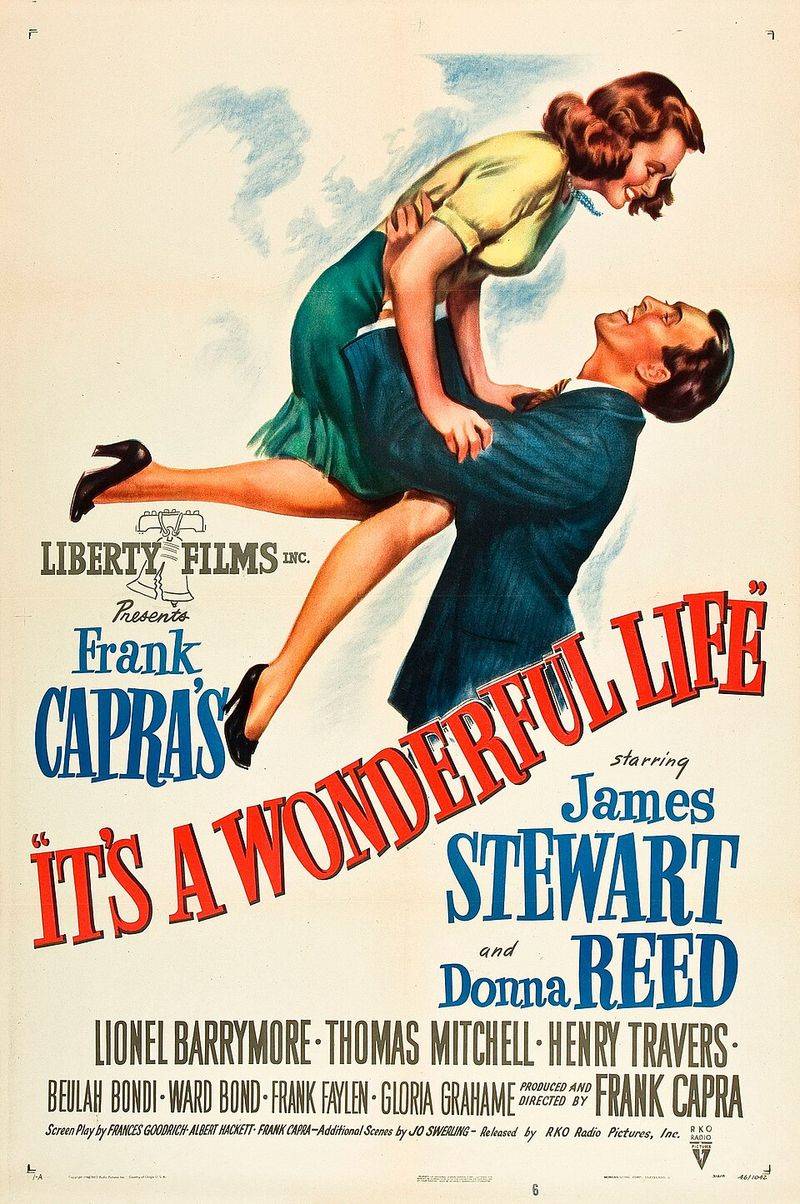
George Bailey stands in his living room surrounded by neighbors piling money on the table. The whole town showed up because one person’s life touched everyone.
His brother raises a glass with that toast about the richest man in town, and suddenly all those small sacrifices make sense.
Every time a bell rings, an angel gets its wings, and every time this ending plays, someone reaches for tissues.
3. Citizen Kane
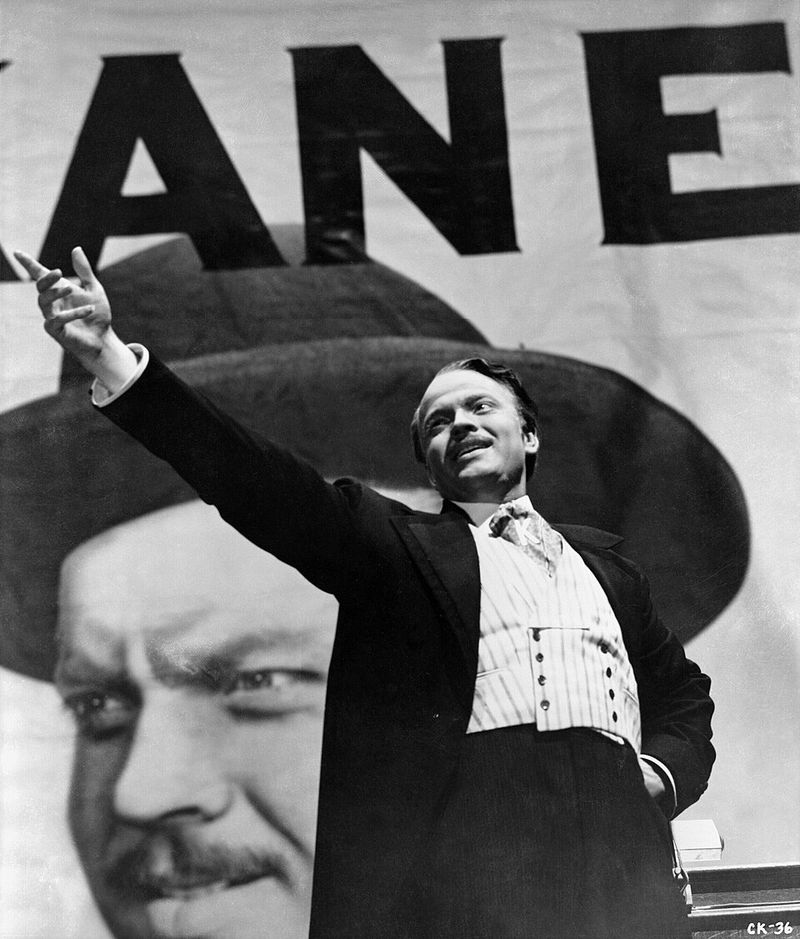
Flames consume a childhood sled in the cavernous furnace of a vast estate. “Rosebud,” etched into the wood, vanishes in the fire, erasing the secret behind Kane’s final word.
Throughout the film, reporters pursue that mystery without ever uncovering its meaning.
Camera retreats beyond the gates of Xanadu, underscoring the idea that wealth cannot restore lost innocence.
Often, what seems smallest carries the greatest weight.
4. Some Like It Hot
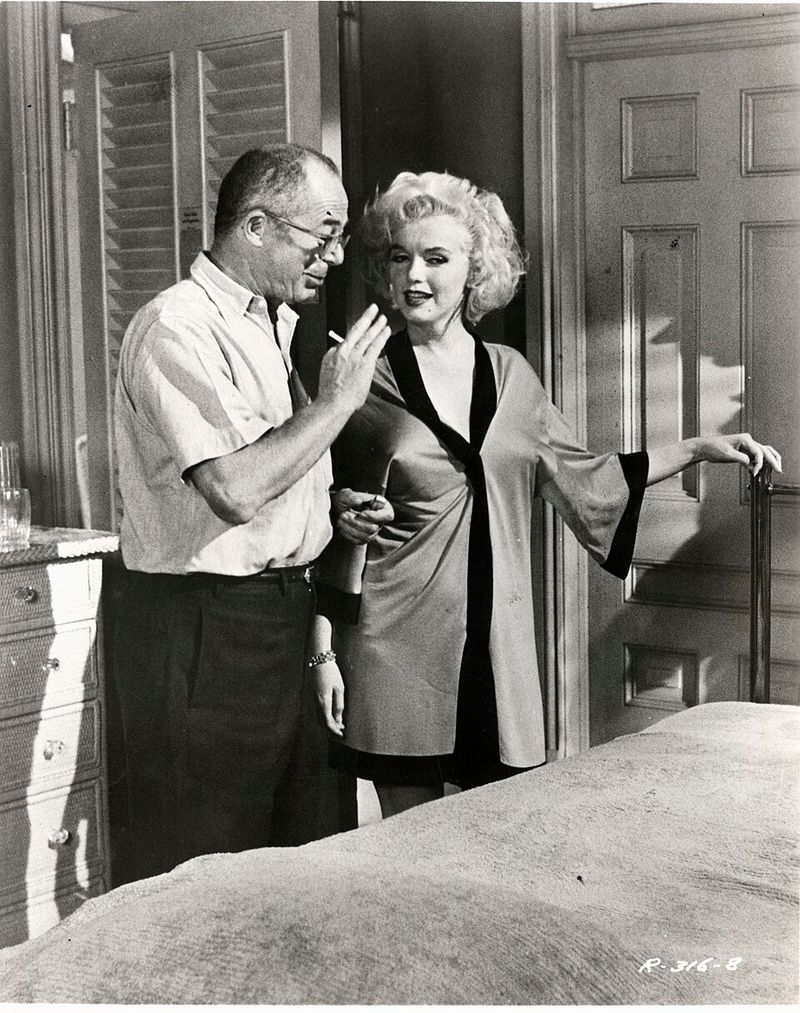
In a rocking speedboat, Joe and Jerry scramble to explain why marriage could never work. Excuses tumble out of Jerry as he lists every possible reason he cannot marry Osgood, growing more frantic with each attempt.
Out of nowhere arrives a perfect punchline: “Well, nobody’s perfect.”
Without hesitation, Osgood fires back, and gender suddenly matters far less than finding someone who loves you exactly as you are. Behind them, a boat cuts across the water as audiences realize they have witnessed one of the cheekiest endings of the decade.
5. Sunset Boulevard
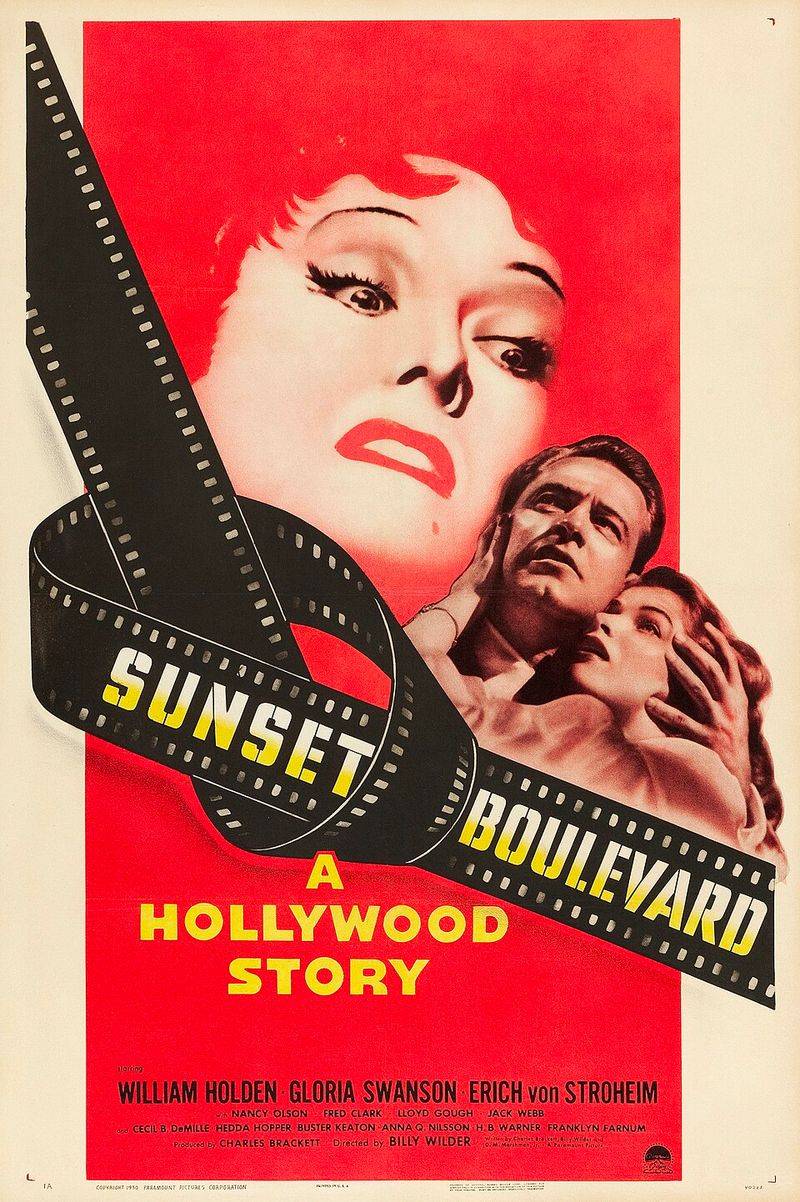
Norma Desmond descends her staircase one last time, cameras rolling.
She thinks she’s back on set making a picture, but the newsreel cameras capture her breakdown instead. “I’m ready for my close-up, Mr. DeMille” sounds triumphant until you remember she’s lost touch with reality completely.
The camera moves in tight on her face, and Hollywood’s cruelty toward aging stars becomes impossible to ignore.
6. The Graduate

Breathless from their escape, Benjamin and Elaine collapse into the back seat of a city bus.
Fleeting smiles slowly drain from their faces as Simon and Garfunkel’s song drifts in, replaced by quiet uncertainty about what comes next.
Escaping the wedding feels triumphant for barely thirty seconds before reality begins to settle in. Instead of heroes, they appear as two young people riding without a plan and facing consequences that have yet to arrive.
From that subtle shift between joy and doubt emerges a moment that mirrors every impulsive choice made in a rush of emotion.
7. Psycho
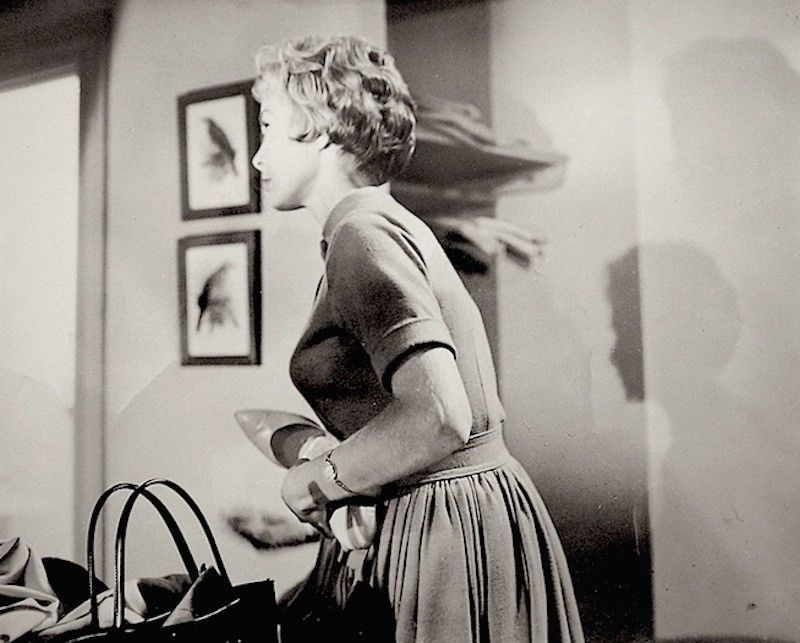
Norman sits in the police station, but Mother’s voice has taken over completely. His face shifts into that disturbing smile while the voiceover insists she wouldn’t hurt a fly.
The skull superimposes over his features for just a moment, revealing the darkness underneath.
Then they pull Marion’s car from the swamp, and you realize Norman almost got away with it. Hitchcock proved the scariest villains can look exactly like the quiet guy next door.
8. The Wizard Of Oz
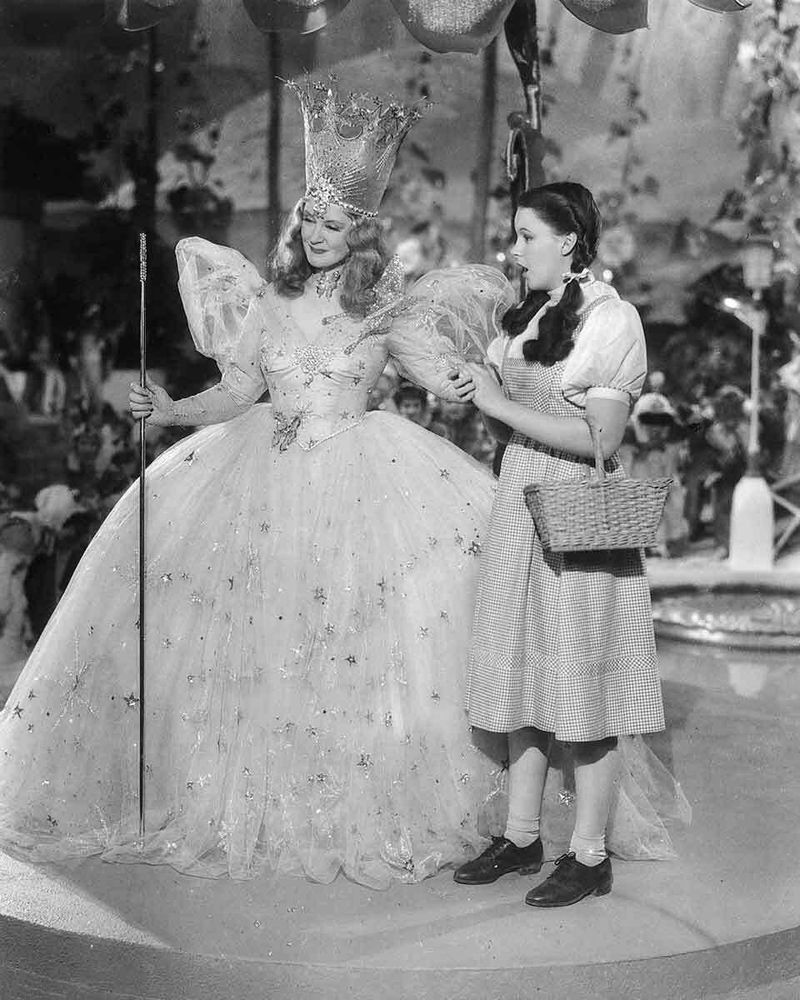
Morning light finds Dorothy back in Kansas, surrounded by familiar faces she loves.
Attempts to explain Oz earn polite smiles, as no one believes a tornado carried her anywhere beyond the farm.
Repeating “There’s no place like home” carries new weight now that experience has carved the lesson deep.
Hidden power rested in those ruby slippers all along, just as quiet strength lived within Dorothy from the very beginning. At times, a long journey becomes the only way to recognize what has always been waiting close by.
9. 12 Angry Men
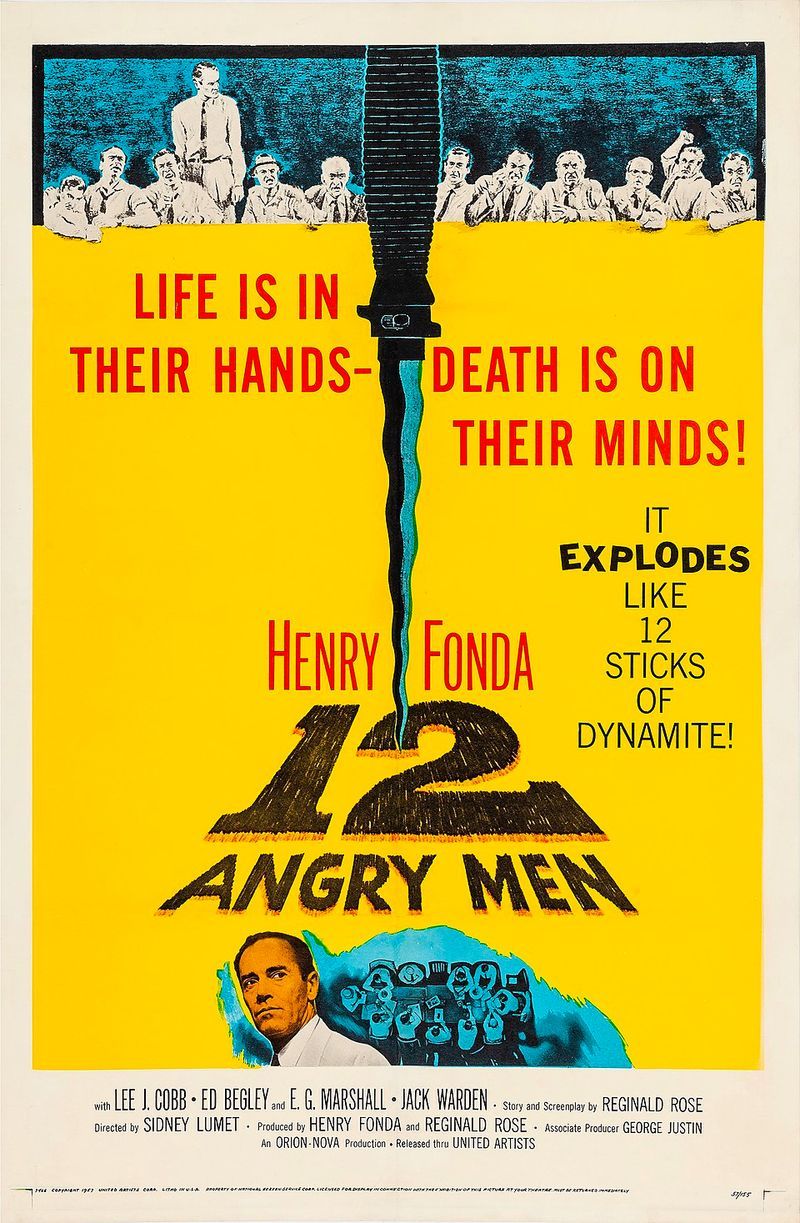
Juror 8 and Juror 3 stand alone in the room after everyone else voted not guilty. You watch Juror 3 finally break down, his anger crumbling into grief over his own son.
That torn photo gets taped back together, and reasonable doubt wins over prejudice.
They walk down the courthouse steps as strangers again, but justice happened because one man refused to rush. Democracy works best when people actually think before deciding.
10. Roman Holiday
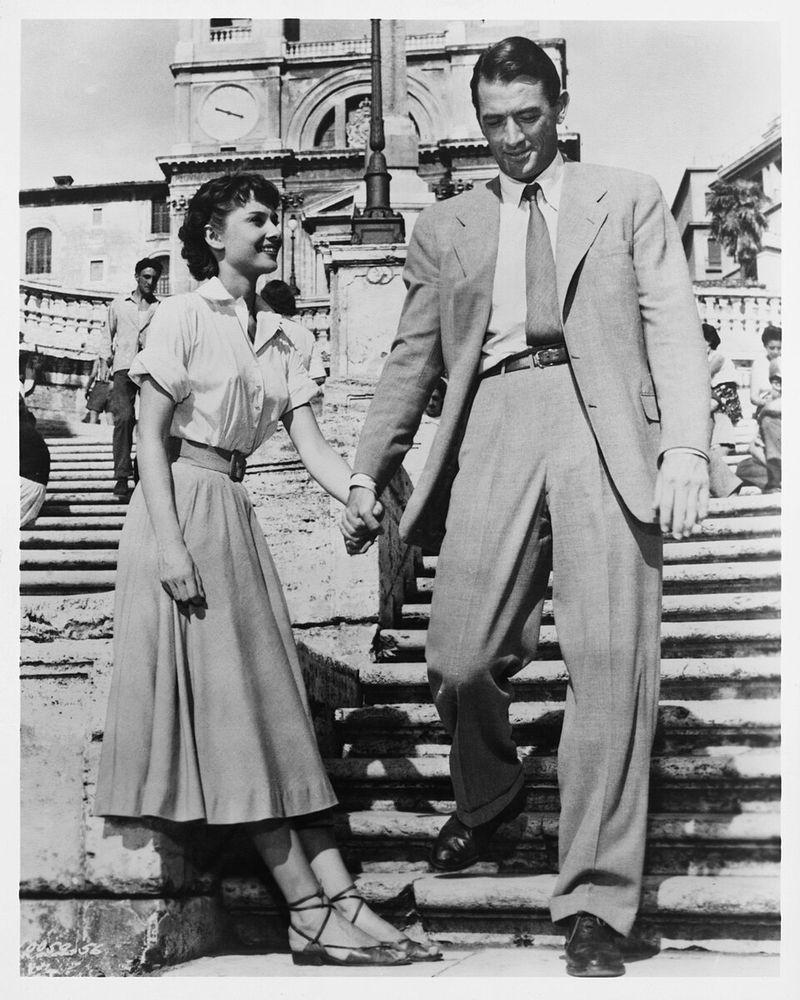
Before a room packed with reporters, Princess Ann answers each question with flawless royal composure. From the back of the crowd, Joe watches in silence, aware that their Roman adventure has reached its quiet conclusion.
While she names Rome as her favorite city, nearly everyone present misses the private meaning behind that choice.
One final glance passes between them before she turns and walks away for good, showing that certain loves shine brightest when left untouched by reality. In the end, duty prevails over desire, yet the memory of what they shared remains beautifully intact.
11. The Apartment
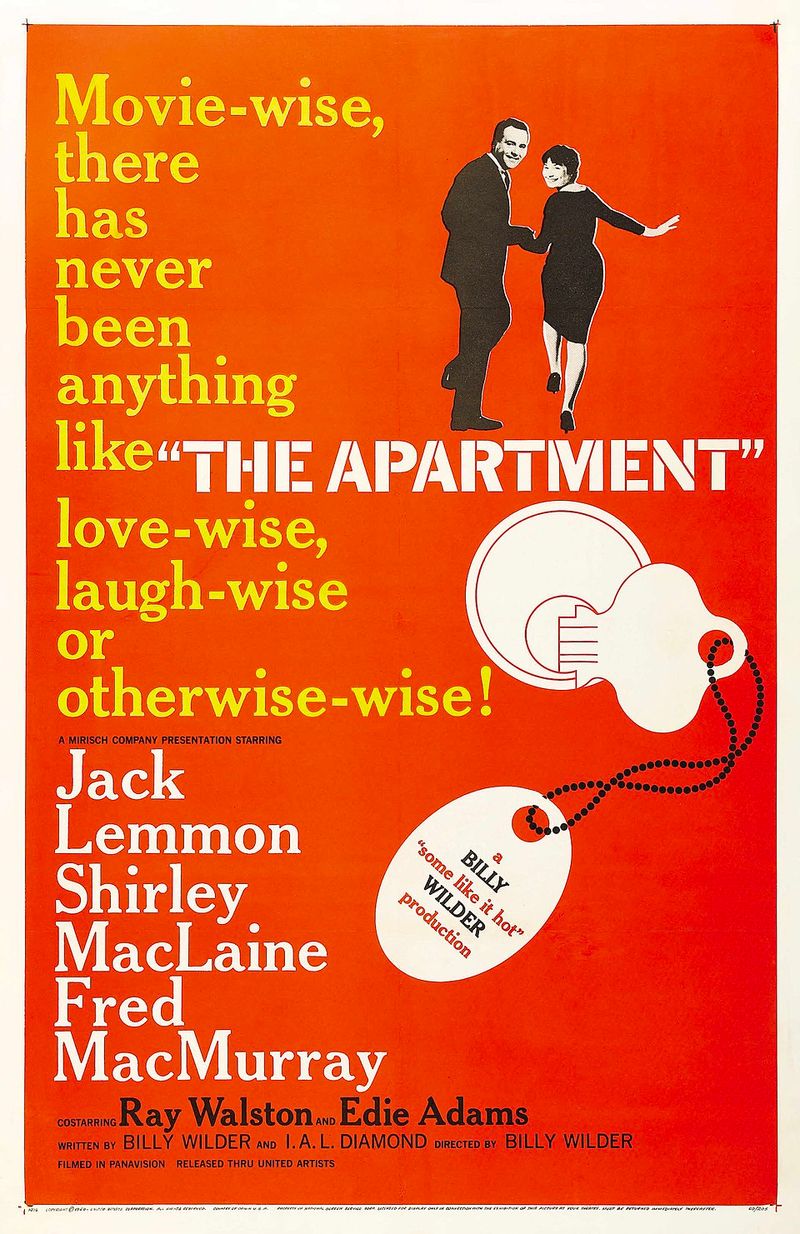
On New Year’s Eve, Fran dashes through city streets, abandoning a glittering party in search of C.C.
Breathless determination carries her into his apartment, where they settle at a card table as if nothing in the world feels more natural. Out of that quiet moment comes the line, “Shut up and deal,” transforming into one of the least flowery yet most perfect declarations of love ever captured on film.
Instead of sweeping speeches, what lingers is the image of two lonely people choosing each other over everyone who once overlooked or underestimated them.
12. The Third Man
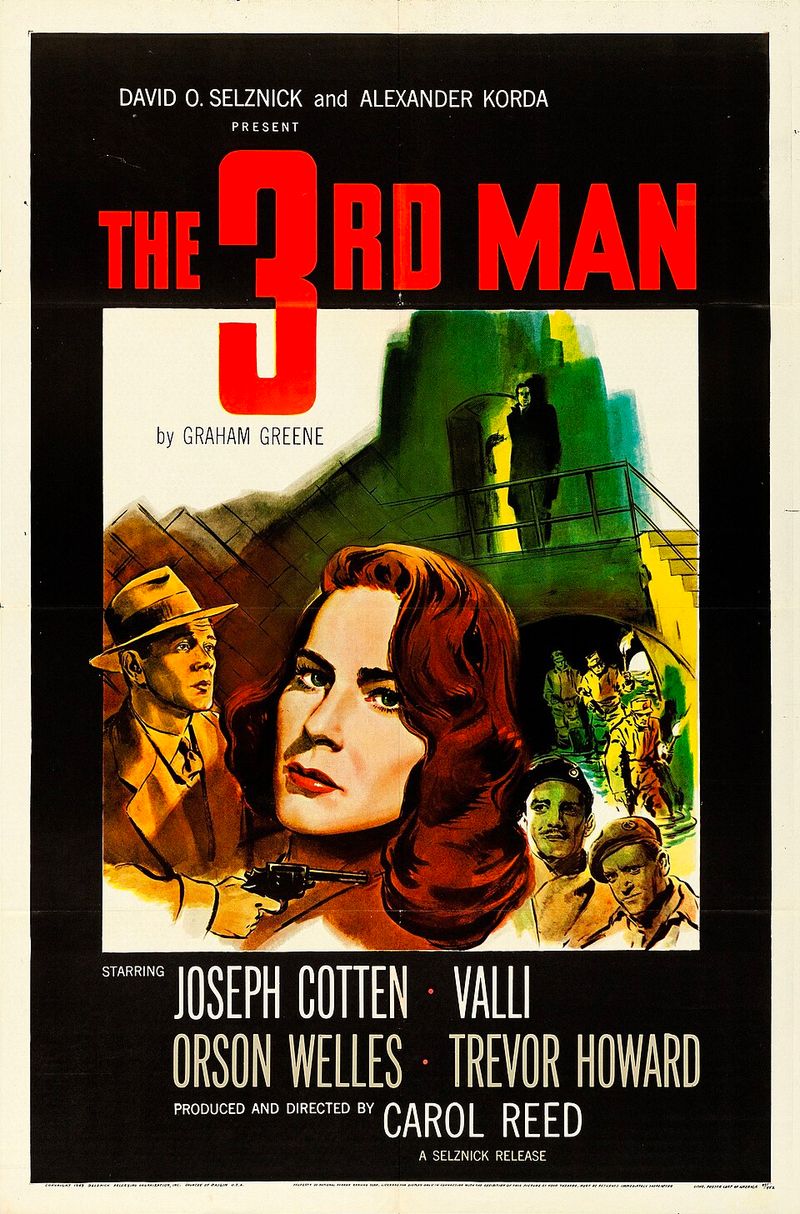
Holly waits by the side of the road as Anna walks toward him from the cemetery. You expect her to stop, to acknowledge what he did to help her.
She keeps walking past without a glance, and the camera holds on Holly’s face while dry leaves blow across the path.
Sometimes doing the right thing costs you everything, and the girl doesn’t fall into your arms just because you’re the hero. Vienna stays cold, and so does Anna.
13. Rear Window
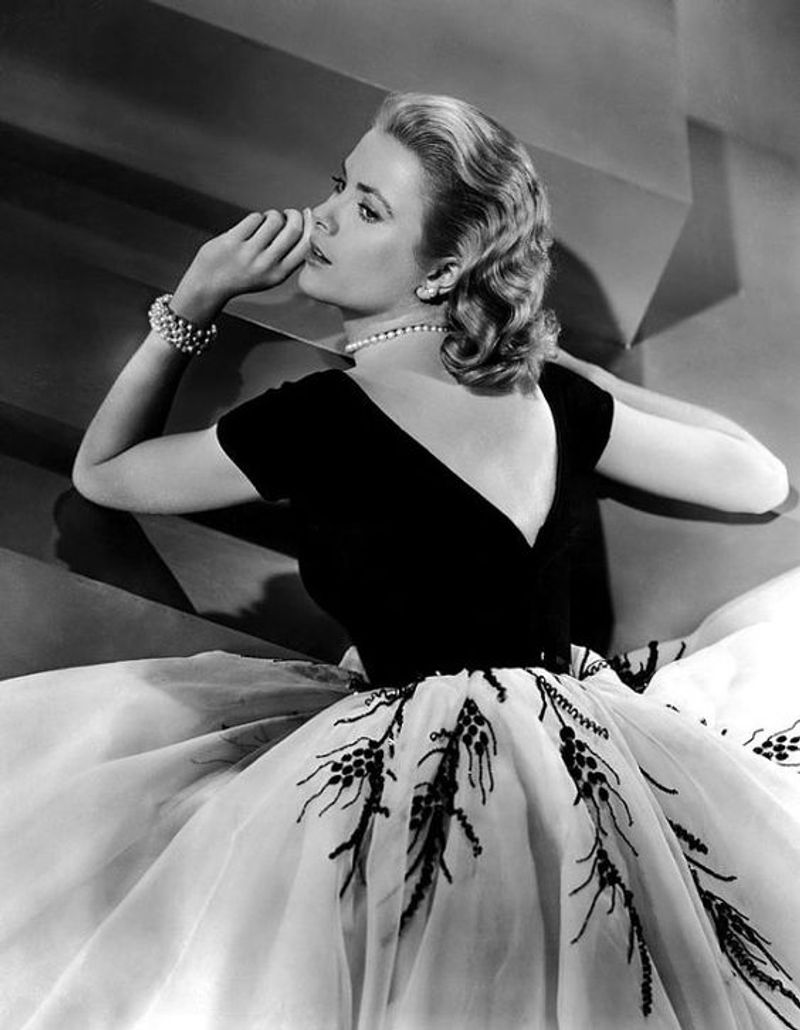
Recovery leaves Jeff confined to a chair, both legs wrapped in fresh casts after his fall from the window.
Nearby, Lisa flips through a fashion magazine with practiced ease, only to trade it for an adventure novel once his gaze drifts away. Across the courtyard, neighbors resume their routines as if a crime had never unsettled their orderly world.
With a quiet wink, Hitchcock suggests that relationships demand compromise and that Lisa may be far more adaptable than Jeff once believed.
After all that watching, he understands that peering into other lives revealed far less than truly seeing the woman seated beside him.
14. Vertigo
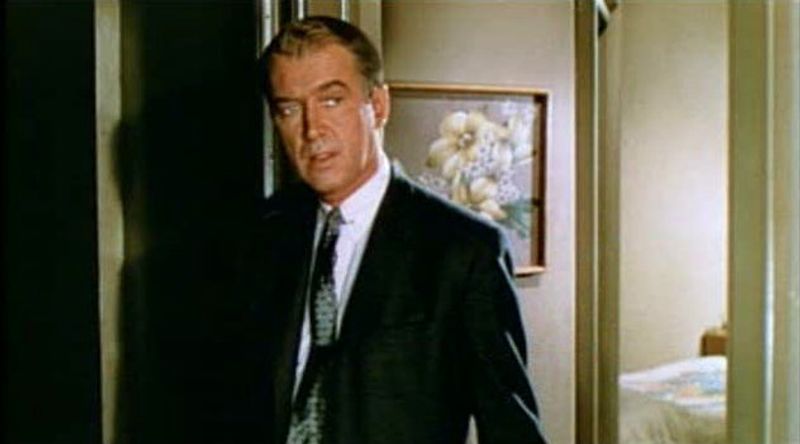
Scottie stands at the top of the bell tower, finally cured of his fear of heights.
The cost was losing Madeleine twice, first to tragedy and then to the truth about Judy’s deception. A nun’s shadow startles Judy, and she falls just like Madeleine did.
Scottie stares down at nothing, his obsession destroying everyone it touched.
Hitchcock leaves us with the emptiness of getting what you thought you wanted.
15. North By Northwest
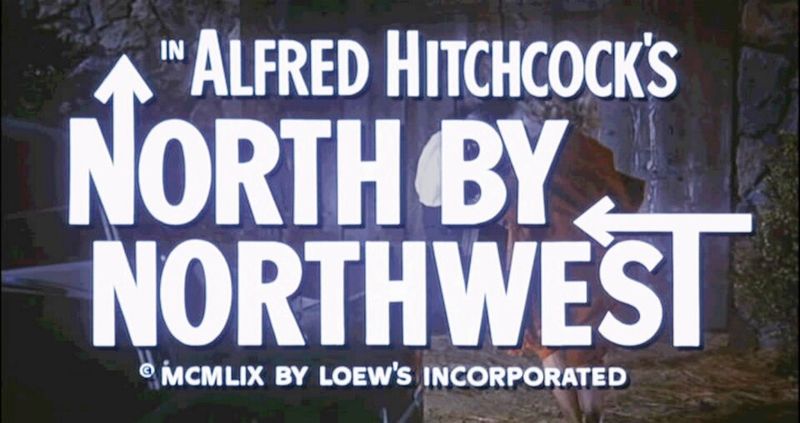
Clinging to Mount Rushmore, Roger hauls Eve to safety as danger closes in around them.
In a sudden cut, he lifts her onto the upper bunk of a train sleeper car, now newly married and racing into a tunnel as husband and wife.
With a mischievous edit, Hitchcock leaps past the rescue itself and lands squarely on a gleeful happily ever after. Following a whirlwind of spies and peril atop presidential faces, a calm journey home feels more than earned.
Playfulness lingers in that final image, sealing one of cinema’s most entertaining thrillers with a knowing grin.
16. Singin’ In The Rain
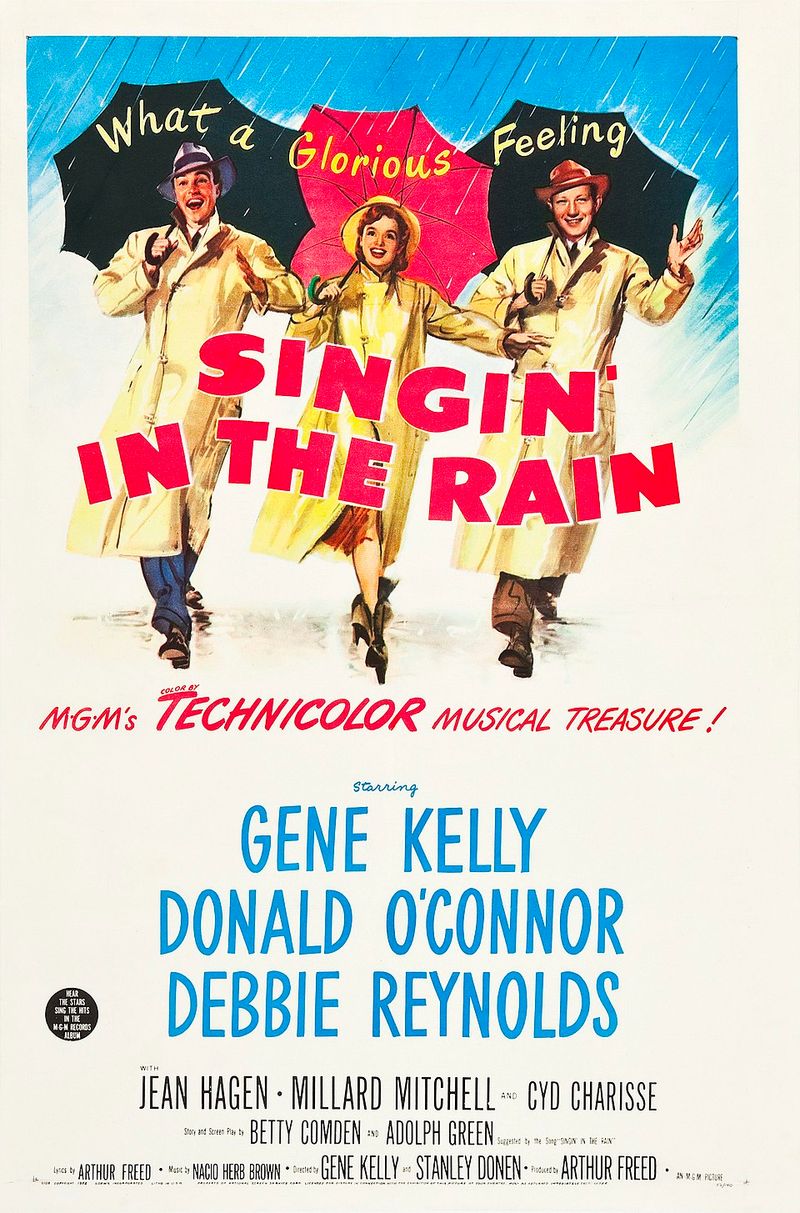
Beneath a towering billboard, Don and Kathy pause to admire her name glowing in lights exactly where it belongs.
Cheers from the premiere still echo after audiences finally hear her true voice, revealed following months of secretly dubbing Lina’s lines.
Right there on the street, Don kisses her as a rain-drenched lamppost quietly recalls where their love story first took shape.
During Hollywood’s uneasy shift to talkies, countless careers faltered, yet genuine talent and authenticity ultimately carried the day. In the end, the message rings clear: make them laugh, and make them believe in a happy ending.
17. Dr. Strangelove
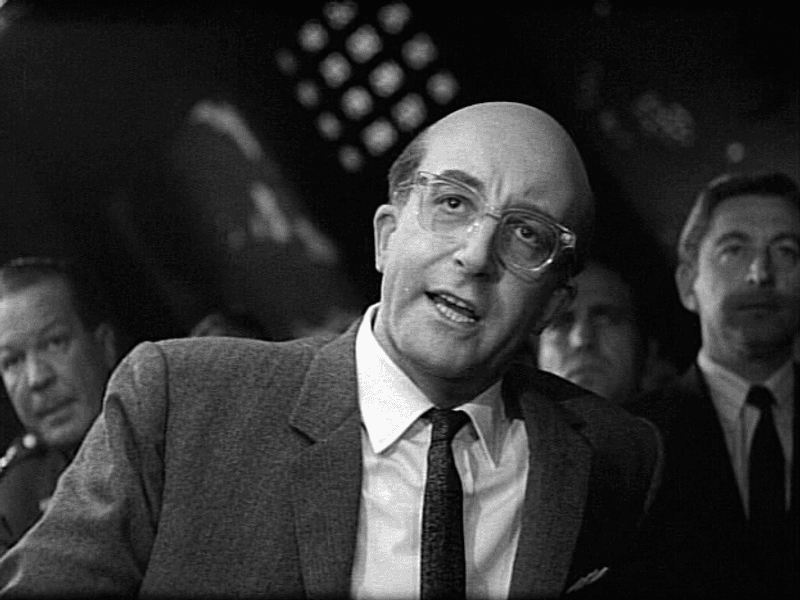
Major Kong rides the falling nuclear warhead down like a rodeo cowboy, whooping and waving his hat.
The war room can’t stop the doomsday device, and Dr. Strangelove’s arm keeps giving salutes while he explains survival plans. Mushroom clouds bloom across the screen as Vera Lynn sings “We’ll Meet Again.”
Kubrick ends the world with the darkest joke ever filmed, proving humanity’s capacity for destruction exceeds its common sense. Laughing at the catastrophe beats crying about it.
18. On The Waterfront
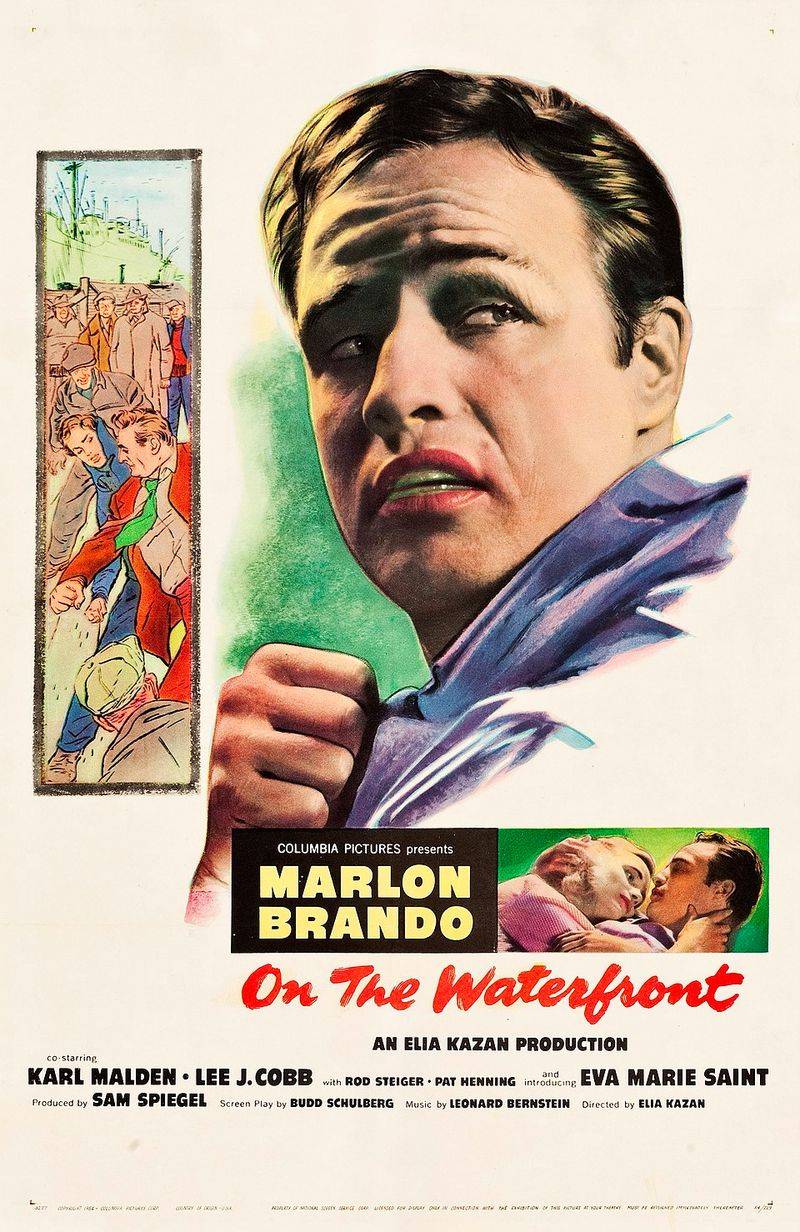
Bruised and bloodied, Terry pushes through the warehouse door yet refuses to fall.
Behind him, longshoremen choose to follow his lead rather than bow to the corrupt union boss, and that quiet show of solidarity cracks the mob’s control over the docks.
Lingering in memory, “I coulda been a contender” takes on new meaning as he proves he is far more than a washed-up boxer. Courage from a single man shifts the balance, even when the personal cost runs painfully high.
At times, victory does not look triumphant at all and instead resembles the simple act of staying on your feet.
19. The Searchers
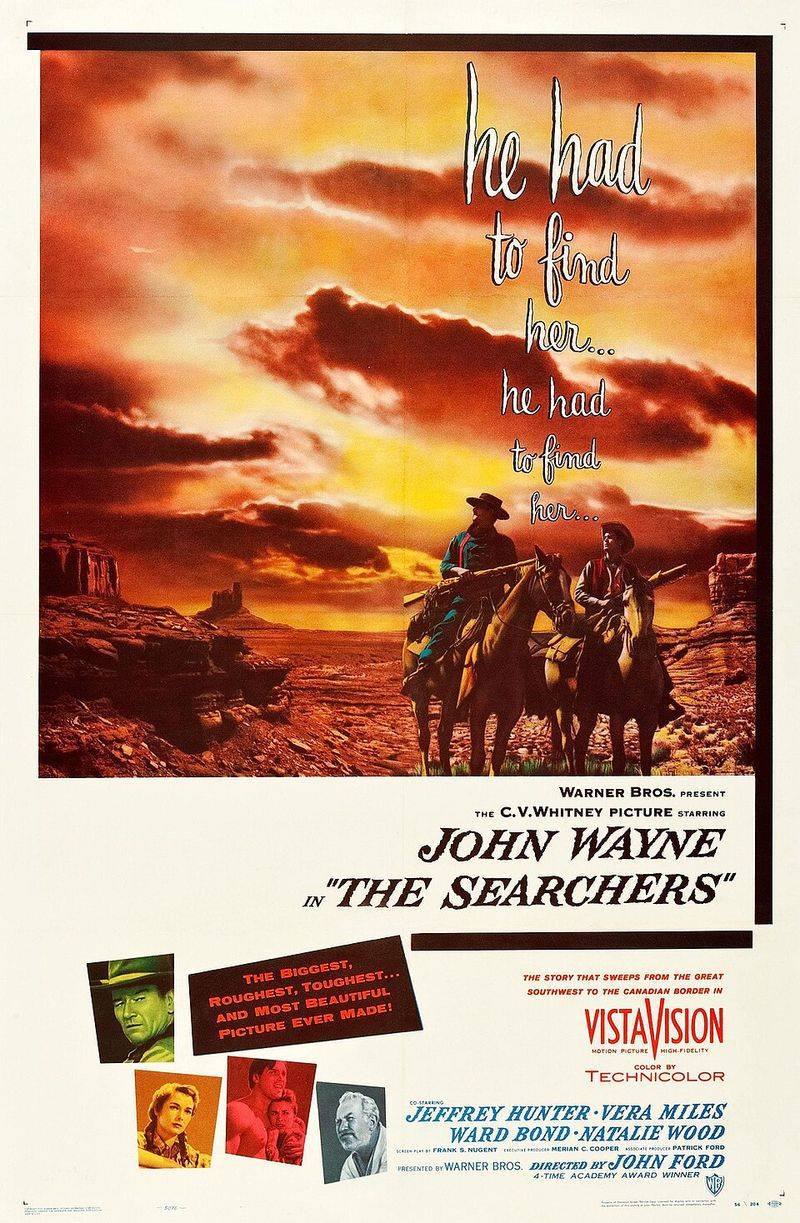
Ethan stands in the doorway after bringing Debbie home, framed by darkness on both sides. The family welcomes Debbie inside, but Ethan turns and walks back into the desert alone.
The door closes on him, leaving the wanderer outside civilization where he belongs.
His search ended, but he has no place in the peaceful world he fought to protect. John Ford’s most powerful image shows the cost of being the man who does harm so others don’t have to.
20. Lawrence Of Arabia
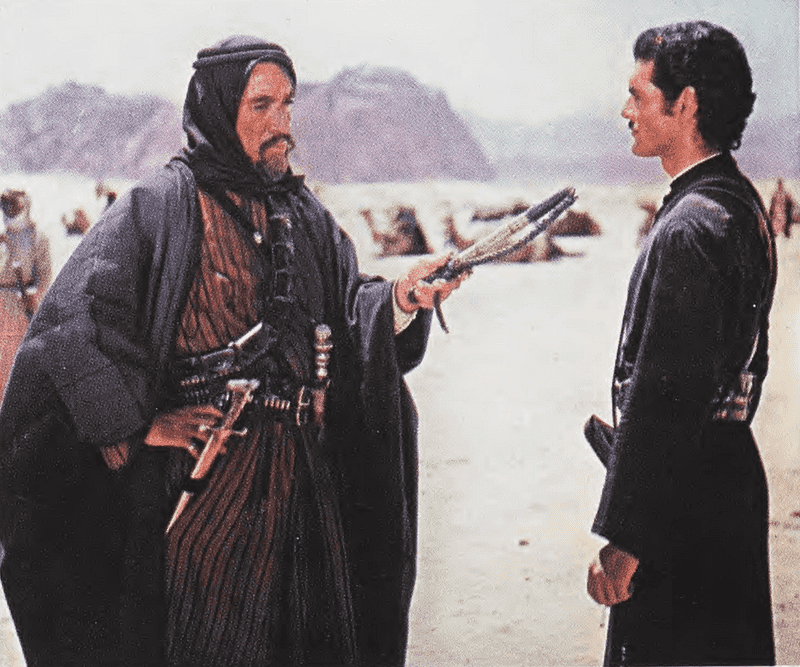
In the back of a military vehicle, Lawrence departs Arabia with white robes replaced by a British uniform.
Across the horizon, the desert he once united begins slipping back into familiar tribal rivalries without his guiding presence.
During a quiet exchange, the driver asks whether he enjoyed the war, and his expression reveals the heavy cost of becoming a legend. Although the campaign has concluded, a man who fell in love with the desert understands that England can no longer feel entirely like home.