Royal Screen Portrayals Historians Still Push Back Against
Royal stories already come dressed for drama, which is probably why filmmakers so often treat historical accuracy like a background extra and shove it politely out of frame.
Crowns sparkle, speeches swell, and one very serious stare across a candlelit room suddenly becomes “history” for millions of viewers who were really just trying to pick a movie.
A great royal performance can be absorbing enough to make almost anything feel believable, even when historians are sitting off to the side quietly developing a headache.
Tiny distortions turn into major impressions fast. Personalities get softened, rivalries get sharpened, and complicated real lives start behaving like they were built for neat two-hour storytelling.
Naturally, experts tend to have notes. A lot of notes.
Disclaimer: This article is intended for general informational and entertainment purposes only. Evaluations of royal screen portrayals and their historical accuracy are based on publicly available commentary, historical sources, and expert interpretation, and perspectives may differ.
Elizabeth I in Elizabeth (1998)
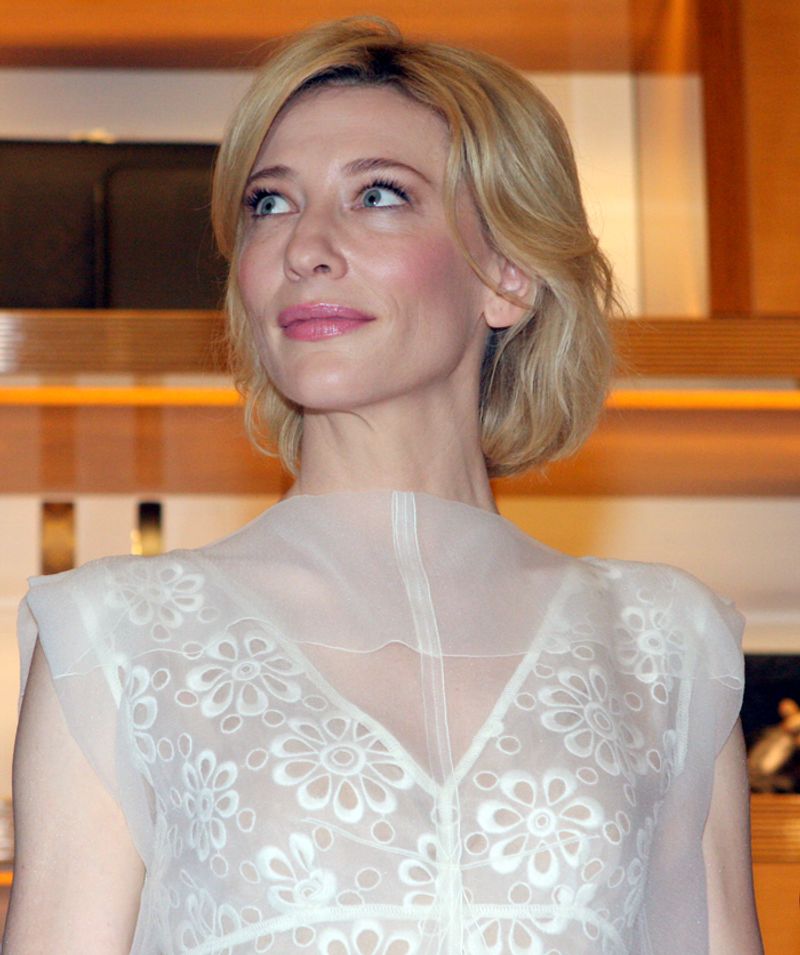
Cate Blanchett’s performance is stunning, no argument there.
However, historians have spent years pointing out that the film’s version of Elizabeth leans heavily into hesitation and emotional vulnerability, traits the real queen was famous for hiding like a pro.
The American Historical Association flagged how the movie strips away much of Elizabeth’s sharp political mind.
She was one of the most calculated rulers England ever had, not someone easily swayed by romance or self-doubt.
Tudor scholar Tracy Borman famously called the film “riddled with inaccuracies” even while admiring its drama. Good cinema, questionable history class material.
Mary and Elizabeth’s Meeting in Mary Queen of Scots (2018)
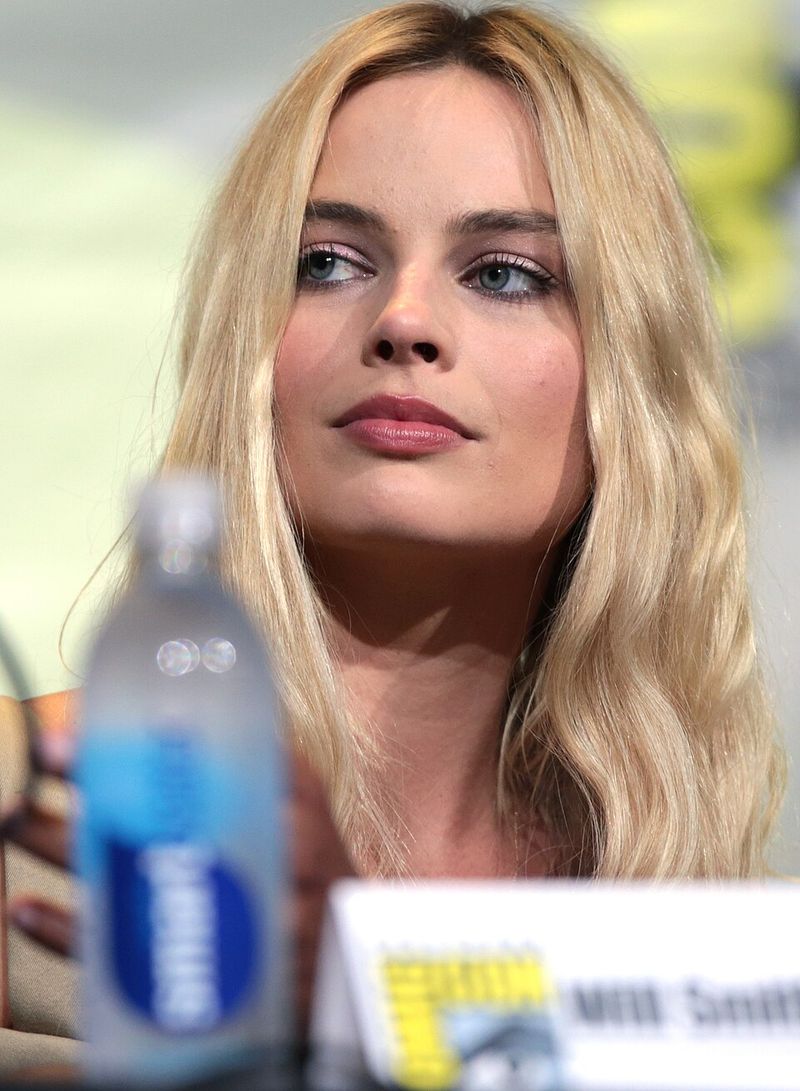
Picture two of history’s most famous rivals finally coming face to face. Powerful scene, right?
Only problem: it never actually happened. Historians were practically pulling their hair out when this film hit theaters.
Mary Queen of Scots and Elizabeth I never met in real life, not once, despite years of letters and political chess moves between them.
Scholars warned loudly that showing this fictional meeting could seriously mislead audiences about their actual relationship.
When movies invent moments this significant, they reshape how millions of people understand real history.
Isabella of France in Braveheart (1995)
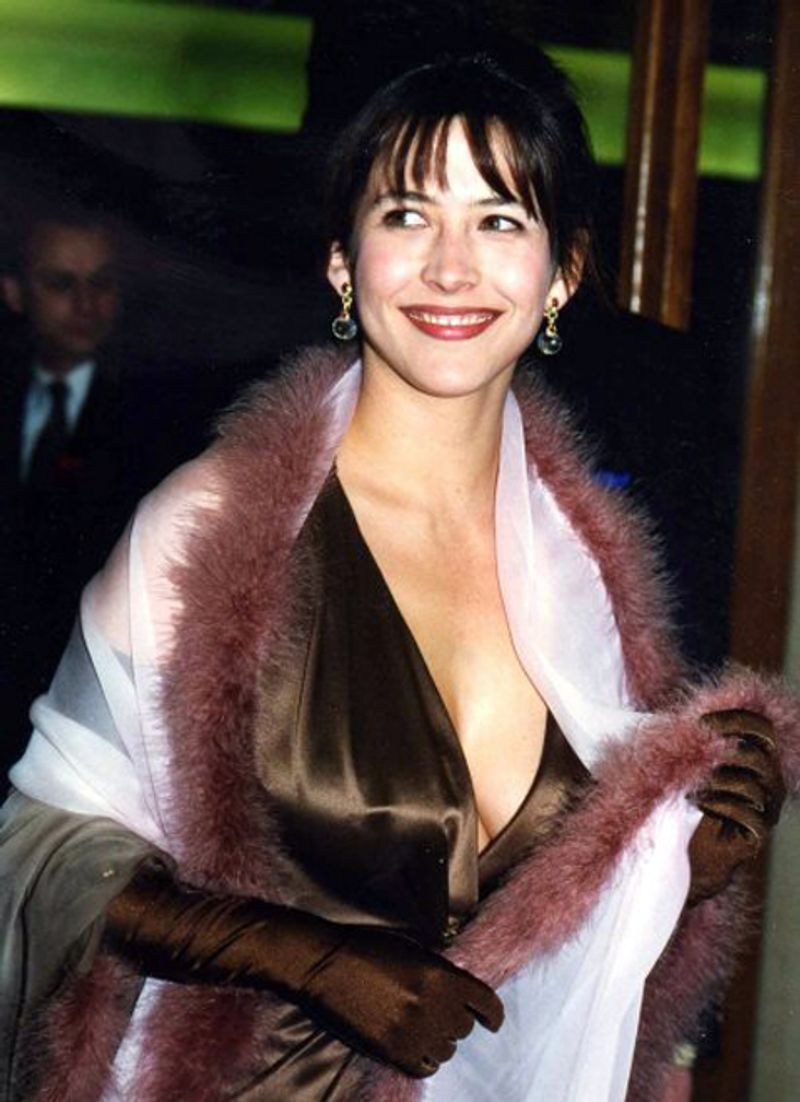
Few historical blunders in Hollywood are quite this bold.
Braveheart invents a full romantic storyline between Isabella of France and Scottish rebel William Wallace, which sounds dramatic until you check the actual dates.
When Wallace was leading his rebellion in the 1290s, Isabella was a small child, likely around three years old and living in France. The romance was not just unlikely, it was literally impossible by the calendar.
Historians still use this example when discussing how films sacrifice basic facts for dramatic tension. Even fans of the movie tend to wince a little once they learn the real timeline.
Robert the Bruce in Braveheart (1995)
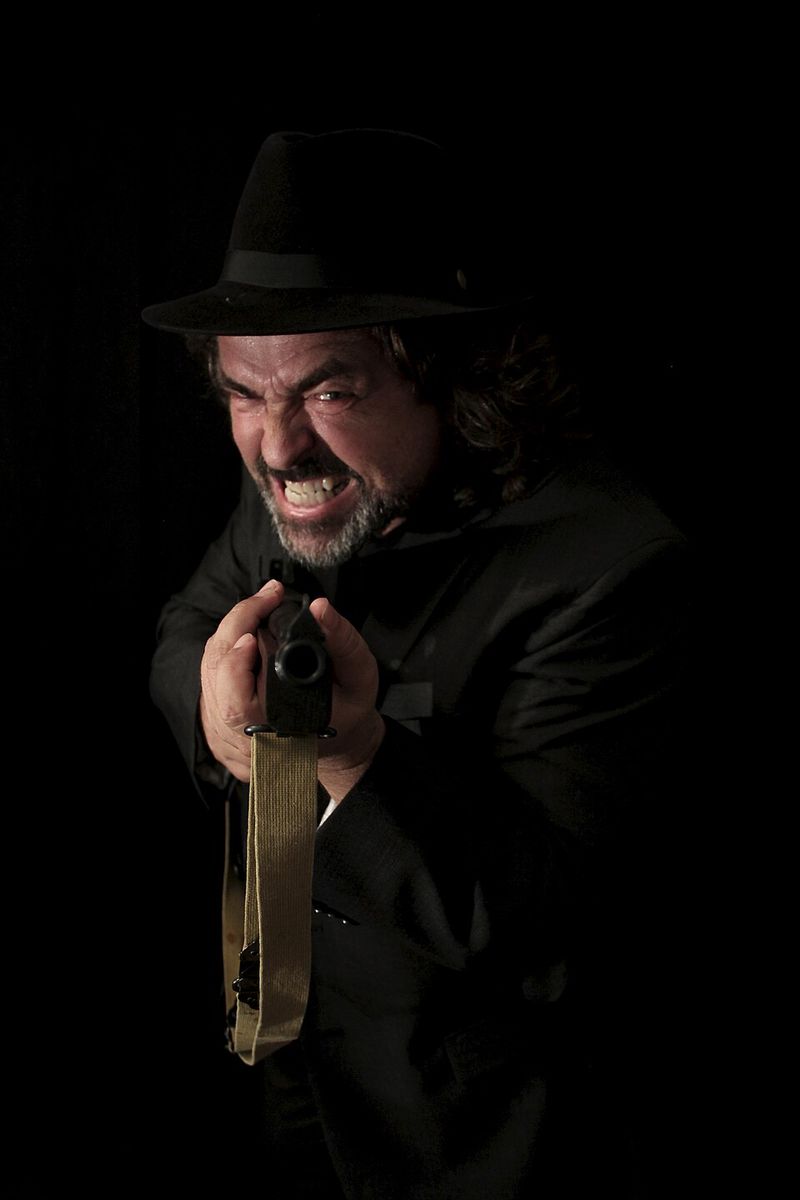
Braveheart earns a second spot on this list, which tells you something.
Beyond the Isabella problem, historians have serious issues with how Robert the Bruce is written as a near-traitor who betrays Wallace on the battlefield.
Scottish history writers point out that this framing flattens one of Scotland’s most complex and celebrated political figures.
Robert the Bruce navigated an incredibly difficult political landscape with real skill and eventual triumph.
Here is a fun twist: the original “Braveheart” nickname actually belongs to Robert the Bruce, not Wallace. The movie accidentally reassigned a legendary title to the wrong hero entirely.
Queen Elizabeth II in The Crown (Netflix)
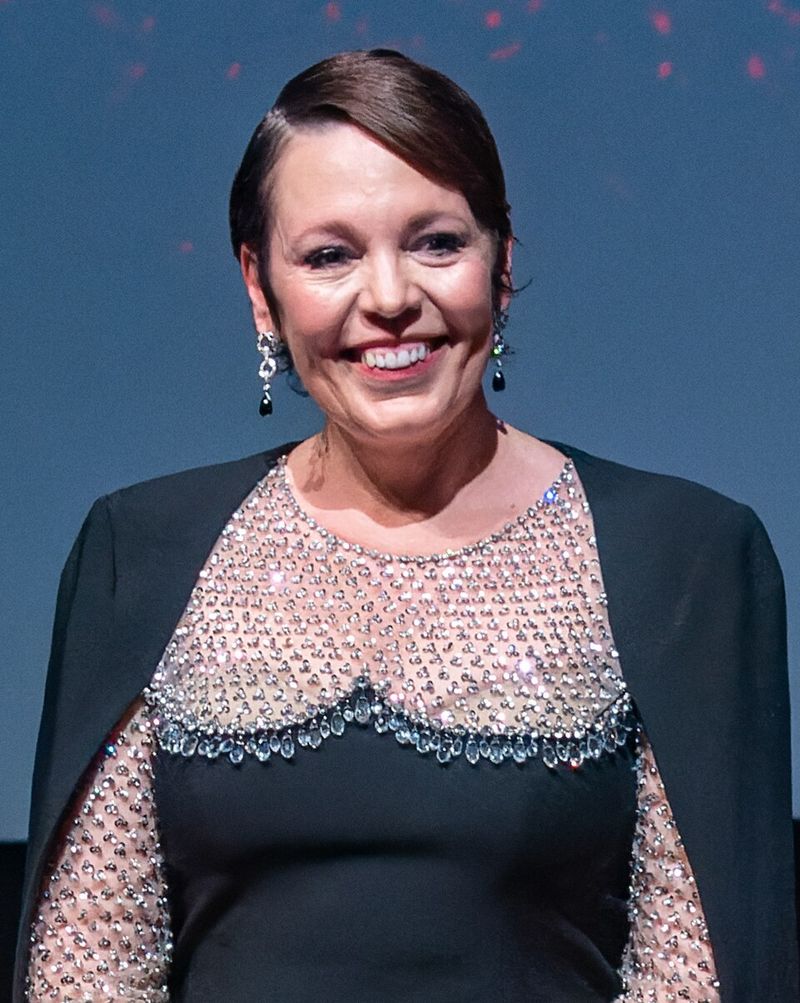
Netflix’s The Crown is beautifully made, wildly popular, and a persistent headache for historians.
The core issue is not the big events, most of those are real. The problem is everything happening between the events.
Private conversations, invented emotional breakdowns, imagined dinners with Jackie Kennedy, and fabricated personal tensions get presented with such confidence that viewers often absorb them as documented fact.
Historian Simon Jenkins called it “reality hijacked as propaganda.” Harsh words, but they reflect genuine concern about how docudramas shape public memory.
Anne Boleyn in The Other Boleyn Girl (2008)
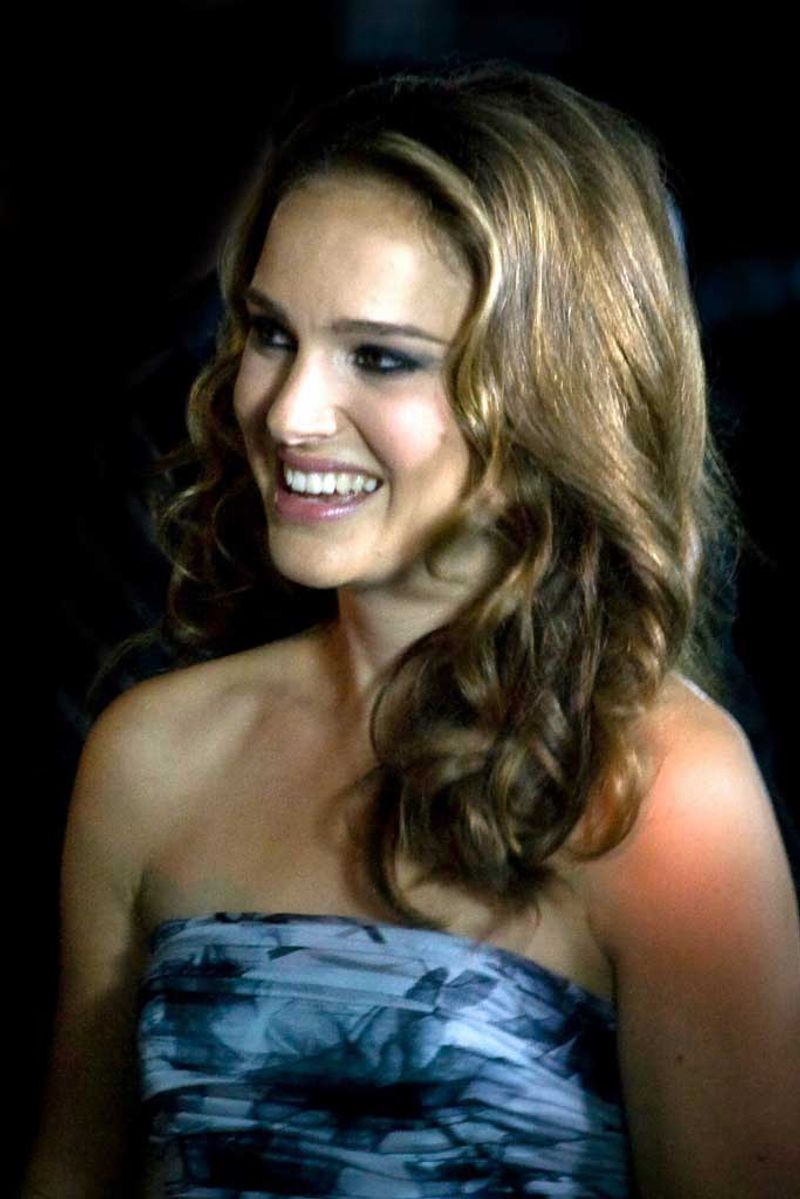
Tudor historians had a lot to say about this one, and almost none of it was complimentary.
The film leans hard into sensational stories about Anne Boleyn, recycling centuries-old gossip as though it were established fact.
Most serious scholars regard the charges brought against Anne in 1536 as politically motivated fabrications, not credible historical events. Presenting them as dramatic truth does real damage to her historical reputation.
Reducing one of Tudor history’s most fascinating, intellectually sharp women to a scheming villain-rival is the kind of storytelling shortcut that makes historians genuinely frustrated.
Henry VIII and Anne Boleyn in The Tudors (Showtime)
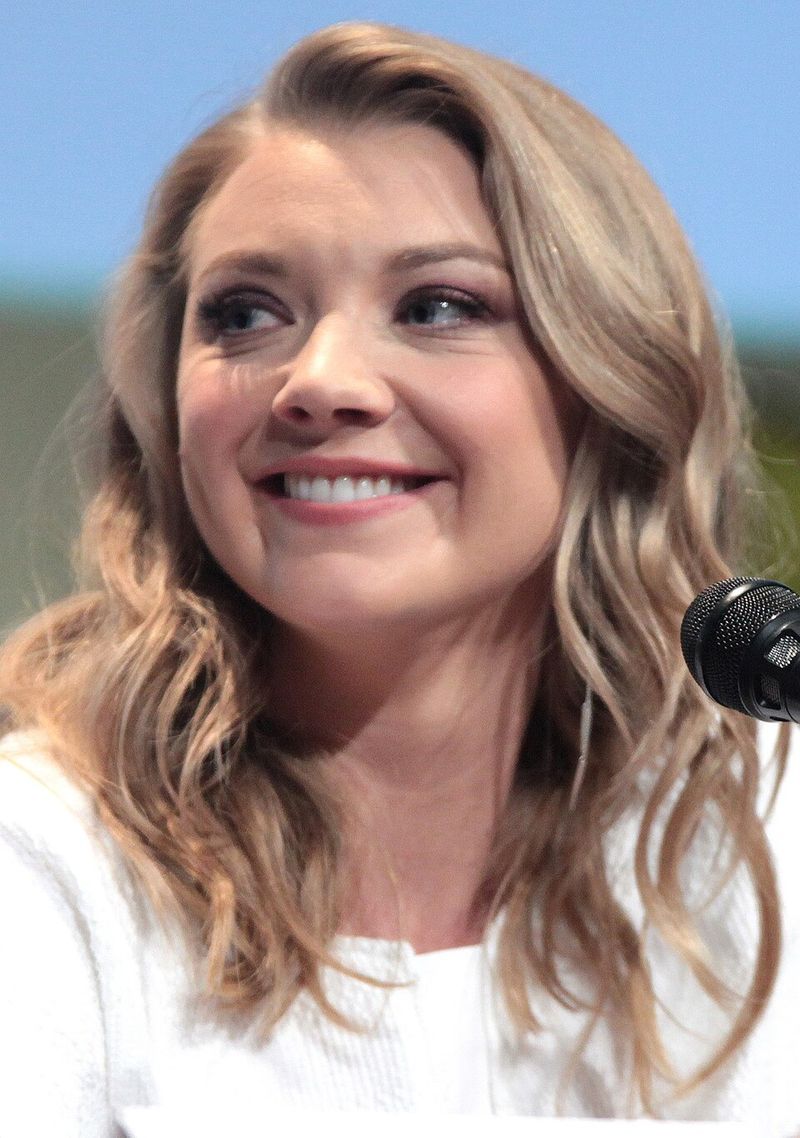
If The Tudors were a student, its history teacher would be writing a very long note home.
Historians have consistently described this series as a glamorized version of Tudor court life that prioritizes sizzle over substance.
Legendary historian David Starkey publicly attacked the show’s accuracy when it first aired, which is about as strong a historical red flag as you can get.
Character ages, political motivations, and key events were all rearranged for dramatic convenience.
Even fans who enjoy the series tend to acknowledge it as historical fantasy more than fact. Think of it as Tudor cosplay with an enormous budget rather than a documentary.
Napoleon and Empress Josephine in Napoleon (2023)
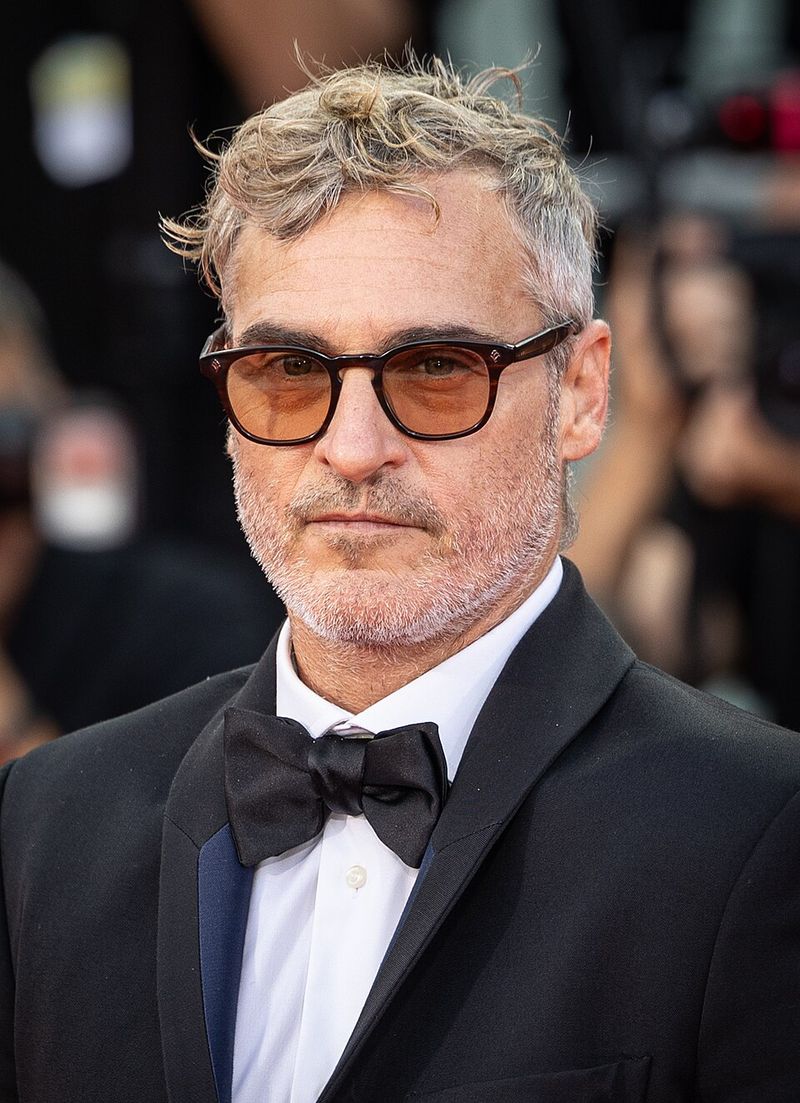
Ridley Scott’s Napoleon landed with big spectacle and immediate historical controversy.
Scholars flagged multiple distortions almost immediately after the trailer dropped, and the finished film gave them even more to work with.
One of the most criticized moments has Napoleon witnessing Marie Antoinette’s execution, which historians point out he was nowhere near at the time.
Compressing or inventing scenes like this reshapes how audiences understand an entire imperial era.
Scott reportedly responded to criticism by suggesting historians should make their own films. Amusing comeback, but it does not actually fix the historical record.